
Homeowners can complete the first few steps, but the blowout requires professional equipment. Here’s the correct order.
How to Winterize Your Sprinkler System
1. Turn Off the Main Irrigation Water Supply
Shut off the valve feeding your irrigation system. This stops water from refilling the lines.
2. Turn the Controller to Off or Rain Mode
This prevents the system from running cycles during winter.
3. Drain the Backflow Preventer and Valves
Open the test ports and valve handles to release water trapped in the assembly. Backflow preventers are vulnerable to freeze damage and need careful draining.
4. Blow Out the Lines (Professional Step)
High-volume air is used to clear all zones of remaining water.
Small home compressors cannot generate the airflow needed for safe blowouts and may damage the system. A trained technician uses regulated flow rates to move air through each zone until only mist appears.
5. Inspect Heads and Valves
Once lines are cleared, check sprinkler heads, valve boxes, and the backflow preventer for visible issues. Any needed repairs can be done before spring.
6. Insulate Exposed Components
Wrap above-ground pipes and the backflow preventer with insulation covers.
Unique Winterization Challenges for West Michigan
Freeze–Thaw Movement
Soil contracts and expands repeatedly, putting pressure on shallow lines.
Lake Effect Cold Snaps
Sudden drops in temperature can freeze water that was sitting safely the day before.
Mixed Soil Types
Clay-heavy areas hold moisture longer. Sandy soil drains quickly. Both affect how water sits in the system before winterization.
Wind Exposure
Open rural areas lose heat faster, which means blowouts should happen earlier.
Winterization Checklist for Homeowners
A checklist-style section increases snippet potential and helps users take action.
Before the Appointment
- Turn off the irrigation water supply
- Shut off or set the controller to Rain Mode
- Clear access to valve boxes and the backflow preventer
- Mark sprinkler head locations if snowfall is close
After the Blowout
- Confirm all zones expelled only air
- Leave backflow test ports open
- Wrap the backflow preventer with insulation
- Label any broken heads or loose fittings for spring repair
Cost and Time Expectations for Winterization
Most winterization appointments in West Michigan fall within:
- $75 to $200 depending on system size
- 20 to 45 minutes per system
- Larger properties or systems with many zones may take a bit longer
These numbers help homeowners plan ahead and avoid surprises.
DIY vs Professional Winterization: What You Can and Can’t Do
Homeowners can safely handle:
- Turning off water to the irrigation system
- Shutting down the controller
- Draining the backflow preventer
- Wrapping exposed pipes
Professionals should handle:
- The blowout
- Pressure regulation
- Clearing long or multi-branch zones
- Detecting small leaks or freeze risks
The blowout step requires commercial-level air volume to clear lines fully without damaging them.
Smart Irrigation Controllers in Winter
Smart systems need their own winter prep.
- Switch the controller to Off or Winter Mode
- Disable weather-based watering
- Remove soil moisture probes if recommended by the manufacturer
- Keep outdoor sensors clear of snow and ice
Smart controllers make spring start-up faster but still require correct shutdown.
Troubleshooting in Spring: What Winter Problems Look Like
If something wasn’t winterized correctly, the symptoms usually show up once the system restarts.
| Spring Symptom | What It Usually Means |
| Zone won’t pressurize | Frozen line cracked during winter |
| Water bubbling near ground | Lateral pipe damaged |
| Backflow preventer leaking | Freeze damage in brass housing |
| Heads won’t rise | Ice caused internal damage |
| Large wet areas | Valve stuck open or cracked fluid seal |
Frequently Asked Questions
When should I winterize my irrigation system?
Most Michigan homeowners winterize between mid-October and early November, before several nights of freezing temperatures.
Can I winterize the system myself?
You can prepare the controller and shut off valves, but a professional blowout is strongly recommended. Home compressors cannot provide the airflow needed.
What happens if I skip winterization?
Pipes, valves, and sprinkler heads can freeze and crack once temperatures drop. Spring repairs often cost more than winterization.
How long does winterization take?
Most systems are winterized in 20 to 45 minutes depending on the number of zones.
What PSI should be used for blowing out lines?
Professionals regulate pressure based on system design. Using excessive PSI risks damage, which is why homeowners should not attempt blowouts on their own.
Do I need to winterize a smart irrigation system?
Yes. Smart controllers only manage watering schedules. The physical components still need protection from freezing.
Is drip irrigation winterized differently?
Drip lines tied into the main irrigation layout still require a blowout. Emitters and tubing can freeze if not cleared.
Recent Articles

How to Choose Between Stump Grinding vs. Stump Removal
Stump grinding is usually the best choice for lawns, garden beds, and many landscaping projects. It’s generally faster, less expensive, and less disruptive than full removal. If you’re building a foundation, installing a structure, or planting another tree in the same location, you may need to remove more of the stump and its root system.

How Much Does Stump Removal Cost?
Plan on roughly $100 to $400 to grind one stump, with large hardwood stumps sometimes costing $450 or more. Grinding multiple stumps in one visit usually lowers the price per stump. These are budgeting estimates based on published pricing guides, not Christian Brothers’ quoted rates. Your final cost depends on your property and the work you need done.
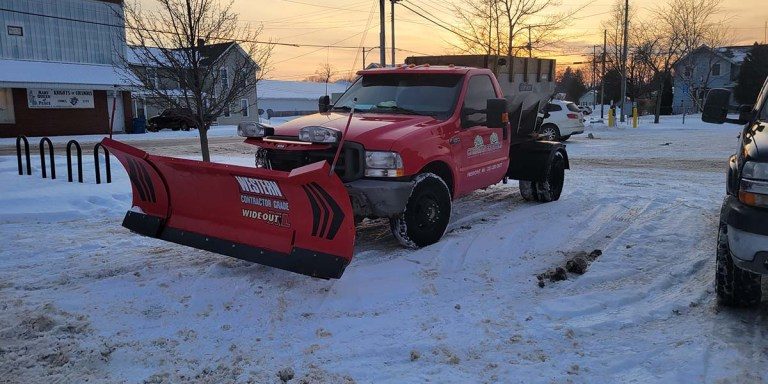
What Does Snow Removal Cost in West Michigan?
Residential snow removal in West Michigan usually costs about $50 to $100 per visit, while seasonal driveway contracts often fall between $350 and $650. Commercial snow removal may start around $50 to $200 per push and climb from there based on the property, salting, snow trigger, and how quickly the site needs to be cleared.
Recent Articles
How to Choose Between Stump Grinding vs. Stump Removal
Stump grinding is usually the best choice for lawns, garden beds, and many landscaping projects. It’s generally faster, less expensive, and less disruptive than full removal. If you’re building a foundation, installing a structure, or planting another tree in the same location, you may need to remove more of the stump and its root system.
How Much Does Stump Removal Cost?
Plan on roughly $100 to $400 to grind one stump, with large hardwood stumps sometimes costing $450 or more. Grinding multiple stumps in one visit usually lowers the price per stump. These are budgeting estimates based on published pricing guides, not Christian Brothers’ quoted rates. Your final cost depends on your property and the work you need done.
What Does Snow Removal Cost in West Michigan?
Residential snow removal in West Michigan usually costs about $50 to $100 per visit, while seasonal driveway contracts often fall between $350 and $650. Commercial snow removal may start around $50 to $200 per push and climb from there based on the property, salting, snow trigger, and how quickly the site needs to be cleared.