
RESOURCES
Lawncare & Outdoor Articles
Get into the weeds. Learn more about the services we provide.
- All
- Hydroseed
- Irrigation
- Landscaping
- Lawn Care
- Tree Care
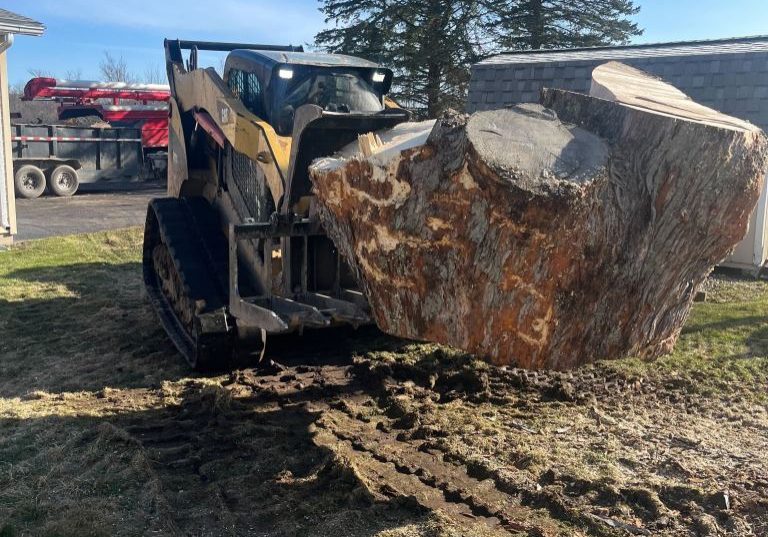
How to Choose Between Stump Grinding vs. Stump Removal
Stump grinding is usually the best choice for lawns, garden beds, and many landscaping projects. It’s generally faster, less expensive, and less disruptive than full removal. If you’re building a foundation, installing a structure, or planting another tree in the same location, you may need to remove more of the stump and its root system.

How Much Does Stump Removal Cost?
Plan on roughly $100 to $400 to grind one stump, with large hardwood stumps sometimes costing $450 or more. Grinding multiple stumps in one visit usually lowers the price per stump. These are budgeting estimates based on published pricing guides, not Christian Brothers’ quoted rates. Your final cost depends on your property and the work you need done.
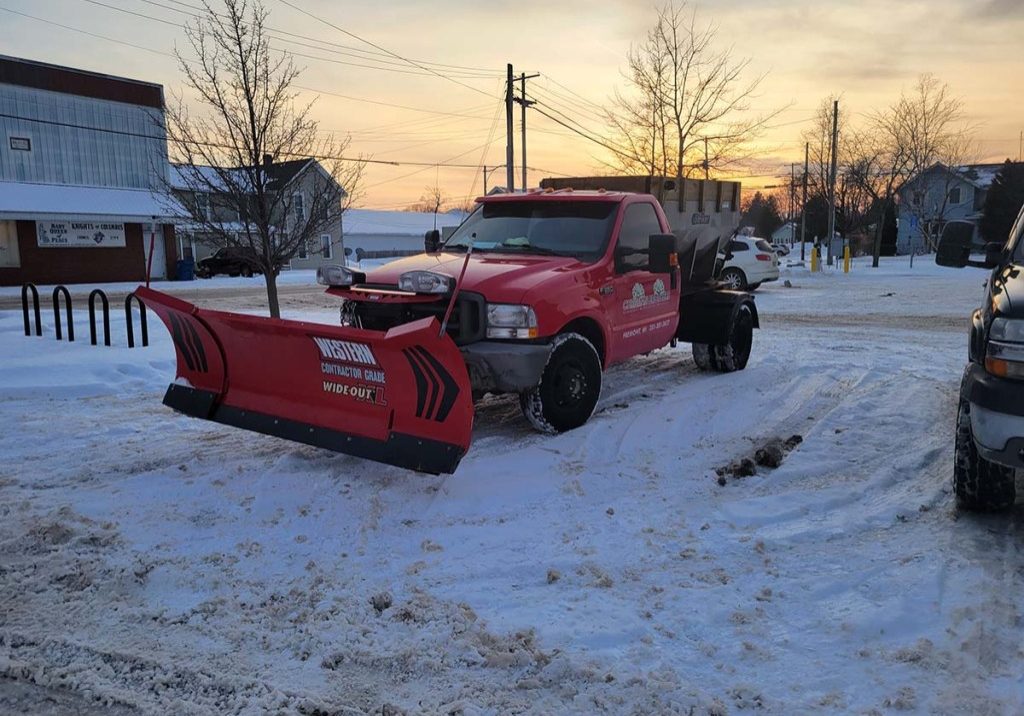
What Does Snow Removal Cost in West Michigan?
Residential snow removal in West Michigan usually costs about $50 to $100 per visit, while seasonal driveway contracts often fall between $350 and $650. Commercial snow removal may start around $50 to $200 per push and climb from there based on the property, salting, snow trigger, and how quickly the site needs to be cleared.
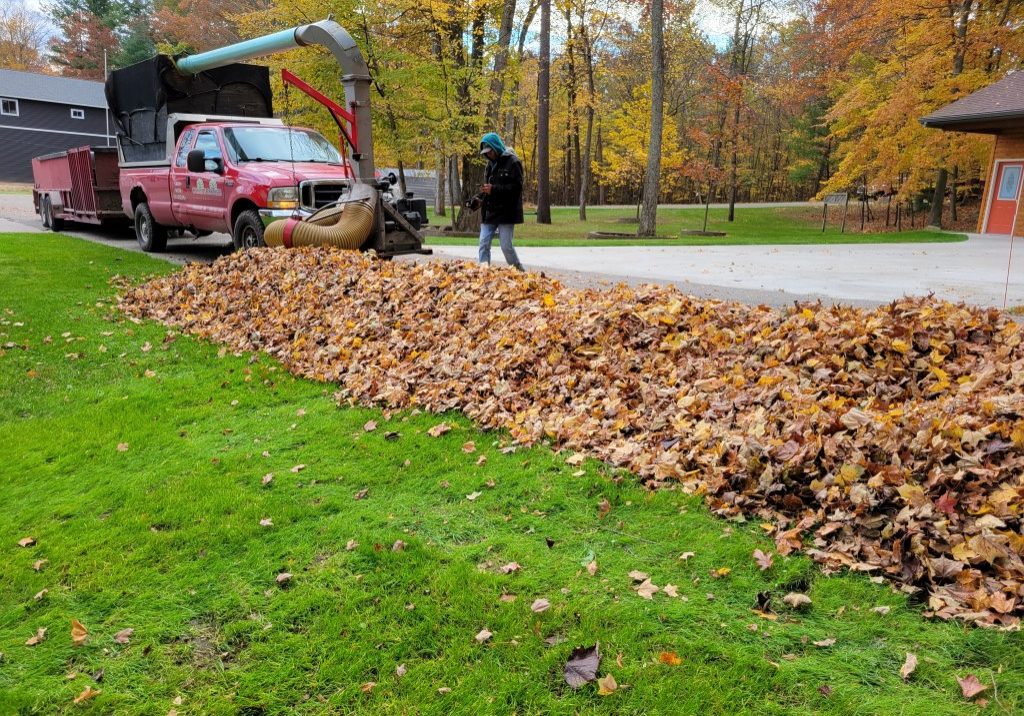
How Much Does Fall Cleanup Cost in West Michigan?
Most fall cleanups in West Michigan cost between $200 and $800 for a single visit, with large or heavily wooded properties costing $1,000 or more. Fall clean-ups also often require more visits per season (two to three) if they have heavy leaf coverage, which increases the total cleanup price.

How Much Does a Yard Cleanup Cost in West Michigan?
Most one-time yard cleanups in West Michigan land between $250 and $800. Properties that have gone a few seasons without attention, or that sit under heavy tree cover, can reach $1,500 or more. Treat these as budgeting ranges. The only way to get a firm number is to have someone walk the property.

5 Low-Maintenance Summer Landscaping Ideas for West Michigan Homeowners
The secret to a beautiful West Michigan landscape that doesn’t consume your weekends is designing for leisure rather than labor. By swapping difficult turf for functional hardscapes like paver patios and boulder fire pits, and utilizing native perennials that naturally thrive in our unpredictable climate, you drastically reduce mowing, watering, and pruning. Strategic additions like dry creek beds manage heavy downpours, while automated lighting and a thick layer of hardwood mulch keep the yard looking pristine with zero ongoing effort. Ultimately, delegating the remaining upkeep to a comprehensive local team like Christian Brothers Outdoor Services ensures you can spend your short summer actually enjoying your yard, not just working on it.

The Best Native Plants for West Michigan Landscaping
West Michigan’s climate and soils favor plants that evolved here. Native trees like bur oak and flowering dogwood, shrubs like ninebark and winterberry, perennials like black-eyed susan and purple coneflower, and grasses like little bluestem all thrive across Kent, Ottawa, Muskegon, and Newaygo counties with far less water, fertilizer, and upkeep than non-native ornamentals. The tradeoff: most need consistent watering through their first season to establish. After that, they largely take care of themselves.
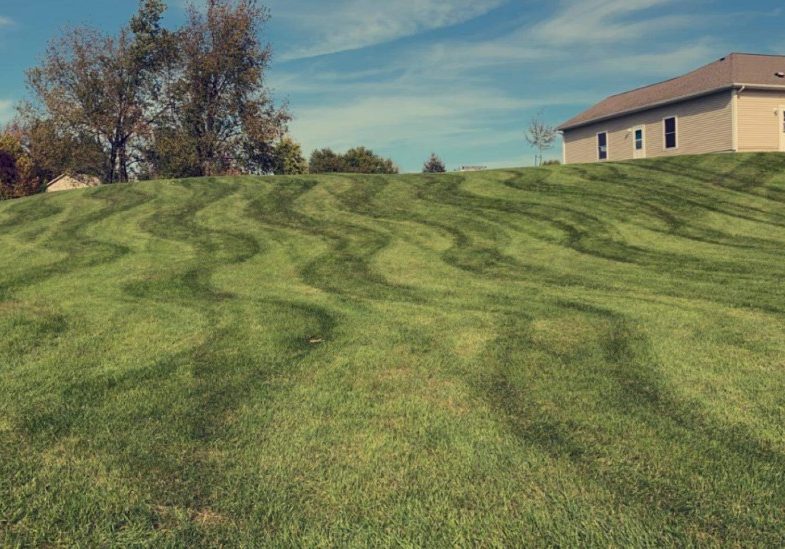
How to Rejuvenate Your Lawn This Spring
Spring lawn recovery in West Michigan works as a sequence, so order matters. Clear winter debris and test your soil first, then aerate and dethatch to loosen compacted ground, overseed thin spots, and fertilize based on your soil test. Match timing to soil temperature instead of the calendar: cleanup as the ground thaws, aeration and overseeding around 50 to 55°F, weed control and mowing in late spring. Work the soil too early or skip a step, and recovery drags out.

When Does Spring Cleanup Start?
Spring cleanup starts when the ground has thawed, the lawn is firm, and temperatures are consistently warming. For most cold-weather regions, that means sometime between late March and early May.

How Much Does Spring Cleanup Cost?
Most homeowners spend $200 to $800 on spring cleanup, depending on property size, debris level, and what services are included. Larger or heavily wooded properties can exceed $1,000.

What Is Spring Cleanup? (And What Does It Include?)
Spring cleanup is a seasonal landscaping service that removes winter debris, trims back plants, refreshes landscape beds, and prepares your lawn for healthy spring growth.
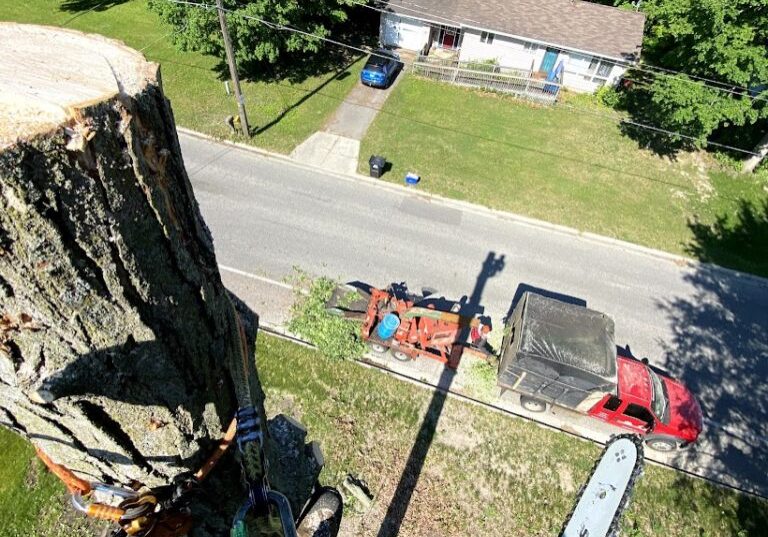
How Much Does Tree Pruning Cost?
Most homeowners pay between $300 and $700 for tree pruning, with smaller trees sometimes costing less and large or high-risk trees reaching $1,500 or more.