
Winter in West Michigan is hard on lawns. Between heavy snowfall, freeze-thaw cycles, and weeks of cold, even a well-kept lawn can come out the other side looking thin, patchy, and slow to recover.
Spring lawn rejuvenation works best when the right steps happen in the right order. Skip ahead or rush the timing, and you’ll get mediocre results. Work through it methodically, and your lawn will come back stronger than it went in.
This guide walks through every step, from clearing winter debris all the way through late-spring maintenance, along with timing tips specific to Kent County, Muskegon County, Newaygo County, and Ottawa County.
Before You Start: Take a Look at What You’re Working With
Walk your lawn before you grab a single tool. Look for thin or bare patches, areas where water pools after rain, soil that feels hard or compacted, a thick spongy layer between the soil and the grass blades, and any spots with uneven color or slow green-up.
This quick check tells you where to focus your effort and what your lawn actually needs going in.
How to Rejuvenate Your Lawn This Spring: Step by Step
1. Clear Away Winter Debris
Start by getting everything off the lawn. Leaves, sticks, and matted buildup block sunlight and trap moisture against the grass. Left in place, they slow green-up and create conditions where disease can set in. Clear the debris, do a light raking to lift matted grass, and clean out the landscape beds while you’re at it. It opens everything up so air and light can reach the turf.
2. Test Your Soil Before You Apply Anything
Not every lawn needs the same nutrients, and applying fertilizer without knowing your soil is a good way to waste money or create new problems. A simple soil test tells you the pH level, any nutrient deficiencies, and what amendments your lawn actually needs. Skipping this step is one of the most common mistakes homeowners make in the spring.
3. Loosen the Soil With Aeration
West Michigan winters leave soil compacted, especially in high-traffic areas or spots that sat under snow for weeks. Compacted soil limits how well water, oxygen, and nutrients can reach the root zone, and aeration creates small openings to address that directly.
Your best timing is mid-spring, once soil temperatures have thawed and are approaching 50–55°F. Aeration also sets up the next step to work a lot better.
4. Remove Excess Thatch
Thatch is the layer of dead grass that builds up between the soil and the green blades above it. A thin layer is normal. A thick one blocks water and nutrients from getting through, and if your lawn feels spongy underfoot or struggles to grow evenly, dethatching before you overseed will make a noticeable difference.
5. Overseed Thin or Bare Areas
Winter patches and bare spots don’t fill themselves in. Overseeding after aeration gives new seed direct contact with the soil, which significantly improves germination rates. Keep seeded areas lightly moist, avoid heavy foot traffic while the new grass develops, and plan your timing with the grass type in mind. Most lawns across West Michigan are cool-season grasses, which respond well to early spring overseeding.
6. Apply Fertilizer
Spring fertilization restores color and gives the grass the nutrients it needs to support strong new growth after a long dormant period. Slow-release fertilizers tend to produce steadier growth over time, while quick-release products act faster but need more attention to avoid over-application. If you tested your soil in step two, you’ll know exactly what your lawn is missing going in.
7. Mow Correctly From the Start
Your first mow of the season matters. Wait until the grass is dry and tall enough to cut without stressing the plant, and follow the one-third rule: never remove more than one-third of the grass height in a single mow. Cutting too short weakens the grass and opens the door for weeds. A sharp blade makes a cleaner cut and reduces stress on the turf.
8. Get Ahead of Weeds
Weeds establish early in the season and spread quickly. A pre-emergent treatment applied in early to mid-spring stops many of them before they germinate. If weeds are already visible, targeted spot treatments can take care of them without damaging the surrounding grass.
9. Water Properly
Spring rain is helpful, but after overseeding or a dry stretch, it may not be enough on its own. Water deeply and less frequently to encourage roots to grow down into the soil. Shallow, frequent watering produces shallow roots, which means a lawn that struggles more when summer heat arrives.
When to Do Each Step
Timing matters just as much as the steps themselves. In West Michigan, a late spring can push the window back, and working on wet or frozen ground can do more harm than good.
Early Spring (as snow melts and soil begins to thaw):
- Remove debris and leaves
- Light raking to lift matted grass
- Dethatch if needed
Mid-Spring (once soil temperatures approach 50–55°F):
- Aeration
- Overseeding
- First fertilizer application
Late Spring:
- Weed control
- Regular mowing on a consistent schedule
- Watering as needed
Common Spring Lawn Mistakes to Avoid
Even with the right intentions, a few missteps can set your lawn back by weeks.
- Mowing too early or cutting the grass too short.
- Applying too much fertilizer at once.
- Working the soil while it’s still too wet.
- Skipping aeration when the soil is clearly compacted.
- Ignoring early weed growth until it spreads.
Signs Your Lawn Needs a Spring Reset
Not every lawn needs the same level of attention. Here are a few signs that yours may need more than just a cleanup:
- Patchy or noticeably thinning grass
- Dull or uneven color that doesn’t improve as temperatures rise
- Water pooling on the surface after rain
- A thick thatch layer that feels spongy
- Weeds spreading faster than the grass can fill in
A few of these together usually means it’s time for a full spring treatment, not just a mow and a fertilizer application.
Don’t Overlook Your Landscape Beds
A refreshed lawn looks a lot better when the beds around it are cleaned up, too. Spring is the right time to hand-pull weeds before they establish, cut back perennials and ornamental grasses, redefine bed edges, and add fresh mulch where needed.
Ongoing bed maintenance throughout the season, typically on a monthly schedule, keeps everything looking consistent between visits. Each visit includes hand-pulling of weeds so that buildup never gets out of hand.
Handling It Yourself vs. Bringing in a Crew
Some homeowners enjoy working in their yards on weekends. Others have full schedules and would rather hand it off entirely.
DIY can make sense if:
- You have a smaller property
- You have access to equipment like aerators or dethatchers
- You enjoy hands-on yard work
Hiring a crew may be the better fit if:
- Your lawn needs multiple services at once
- You’re dealing with heavy compaction or large bare areas
- You want consistent, professional results without managing it yourself
A lot of the homeowners and property managers we work with across Kent County, Muskegon County, Newaygo County, and Ottawa County are simply busy. They want their property to look sharp without spending weekends on it. Having one team handle lawncare maintenance, aeration, overseeding, fertilization, bed work, and more means one call instead of several.
Ready to Get Your Lawn Back on Track?
Spring is your window to reset after a tough West Michigan winter. The right steps, done in the right order, make the difference between a lawn that limps through the season and one that looks great from May through October.
Christian Brothers Outdoor Services works with residential and commercial properties throughout Kent, Muskegon, Newaygo, and Ottawa Counties. From lawncare maintenance and spring cleanups to aeration, overseeding, fertilization, and bed work, we handle it all in one visit.
Contact us today for a free estimate.
Recent Articles

How to Choose Between Stump Grinding vs. Stump Removal
Stump grinding is usually the best choice for lawns, garden beds, and many landscaping projects. It’s generally faster, less expensive, and less disruptive than full removal. If you’re building a foundation, installing a structure, or planting another tree in the same location, you may need to remove more of the stump and its root system.

How Much Does Stump Removal Cost?
Plan on roughly $100 to $400 to grind one stump, with large hardwood stumps sometimes costing $450 or more. Grinding multiple stumps in one visit usually lowers the price per stump. These are budgeting estimates based on published pricing guides, not Christian Brothers’ quoted rates. Your final cost depends on your property and the work you need done.
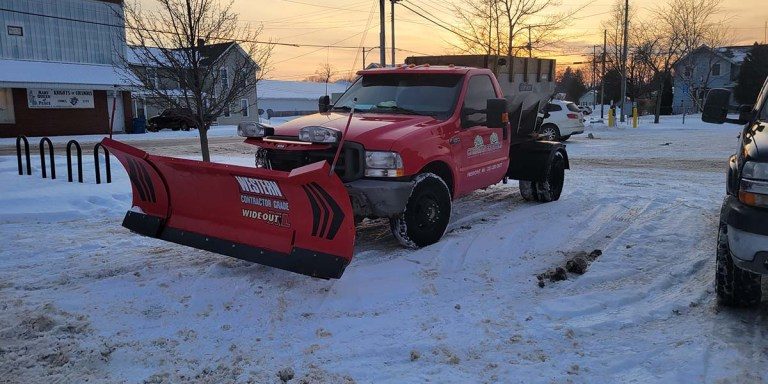
What Does Snow Removal Cost in West Michigan?
Residential snow removal in West Michigan usually costs about $50 to $100 per visit, while seasonal driveway contracts often fall between $350 and $650. Commercial snow removal may start around $50 to $200 per push and climb from there based on the property, salting, snow trigger, and how quickly the site needs to be cleared.
Recent Articles
How to Choose Between Stump Grinding vs. Stump Removal
Stump grinding is usually the best choice for lawns, garden beds, and many landscaping projects. It’s generally faster, less expensive, and less disruptive than full removal. If you’re building a foundation, installing a structure, or planting another tree in the same location, you may need to remove more of the stump and its root system.
How Much Does Stump Removal Cost?
Plan on roughly $100 to $400 to grind one stump, with large hardwood stumps sometimes costing $450 or more. Grinding multiple stumps in one visit usually lowers the price per stump. These are budgeting estimates based on published pricing guides, not Christian Brothers’ quoted rates. Your final cost depends on your property and the work you need done.
What Does Snow Removal Cost in West Michigan?
Residential snow removal in West Michigan usually costs about $50 to $100 per visit, while seasonal driveway contracts often fall between $350 and $650. Commercial snow removal may start around $50 to $200 per push and climb from there based on the property, salting, snow trigger, and how quickly the site needs to be cleared.