
5 Signs It’s Time to Start Spring Cleanup
Instead of watching the calendar, watch your yard.
1. Snow Is Completely Gone
Lingering snow piles delay access and keep soil cold.
2. The Ground Is No Longer Frozen
Try pushing a shovel into the soil. If it goes in easily, frost is gone.
3. The Lawn Feels Firm Underfoot
If you leave deep footprints when walking across the grass, it’s too early. Soft turf is easily damaged.
4. Soil Passes the “Squeeze Test”
Grab a handful of soil and squeeze it. If it forms a muddy ball, it’s too wet. But if it crumbles apart, it’s ready.
5. Temperatures Are Consistently Warmer
Many lawn professionals wait until nighttime temperatures stay above 40–50°F for several days in a row. That’s often when plants and soil truly begin waking up.
Why You Shouldn’t Start Too Early
It’s tempting to rake and trim during the first warm weekend. However, starting too soon often creates more repair work later. Early cleanup can:
- Compact wet soil
- Tear soft turf
- Damage emerging plants
- Trap debris deeper into muddy ground
Why You Shouldn’t Wait Too Long
On the other hand, delaying cleanup too far into spring can slow lawn recovery. Spring cleanup works best during the transition from dormancy to active growth.
When debris sits too long:
- Grass struggles to receive sunlight
- Moisture becomes trapped
- Mold and fungus risk increases
- Early fertilization becomes less effective
Too Early vs. Just Right
| Too Early | Just Right |
| Soil is muddy or frozen | Soil crumbles in hand |
| Deep footprints remain in grass | Lawn feels firm |
| Night temps still below 40°F | Consistent warming trend |
| Plants still completely dormant | Early green shoots visible |
What About Beneficial Insects?
An often-overlooked factor is timing for pollinators and beneficial insects.
Many insects overwinter in leaf litter and plant stems. Waiting until consistent warm temperatures helps protect them and supports a healthier landscape overall.
You don’t need to delay for months. Just avoid rushing cleanup during the first mild day of late winter.
Early Tasks You Can Do Before Full Cleanup
- Walk the property and note winter damage
- Remove large fallen branches
- Check bed edges and hardscapes
- Prepare tools and equipment
- Schedule your cleanup service
Does Spring Cleanup Start at the Same Time Everywhere?
No. Climate plays a major role. Here’s a general guideline by region:
| Climate Type | Typical Cleanup Window |
| Northern cold climates | Late April–Early May |
| Mid-range climates | Mid-April |
| Warmer climates | Late March–Early April |
Microclimates matter too. South-facing slopes and areas near buildings warm earlier than shaded or wooded sections.
What Happens After Spring Cleanup?
- Regular mowing
- Fertilizer and weed control
- Aeration and overseeding
- Bed maintenance
- Irrigation start-ups
- New planting or landscape projects
When Does Spring Cleanup Start in West Michigan?
In West Michigan, spring cleanup typically begins between late March and early May, depending on snowfall and ground conditions.
Across Grand Rapids, Muskegon, Holland, Newaygo, and more, properties often experience:
- Heavy snow accumulation
- Freeze-thaw cycles
- Compacted soil
- Salt damage near driveways
Because winters can linger, monitoring soil firmness and temperature is more reliable than watching the calendar.
When Should You Book Spring Cleanup?
Even though physical work may not begin until conditions improve, it’s smart to book early. Spring schedules fill quickly. Securing a spot in late winter or early spring helps avoid delays once cleanup season officially begins.
If you’re located in West Michigan and want to secure your place on the schedule, we provide free estimates and flexible spring scheduling to help you start the season strong.
Recent Articles

How Much Does a Yard Cleanup Cost in West Michigan?
Most one-time yard cleanups in West Michigan land between $250 and $800. Properties that have gone a few seasons without attention, or that sit under heavy tree cover, can reach $1,500 or more. Treat these as budgeting ranges. The only way to get a firm number is to have someone walk the property.
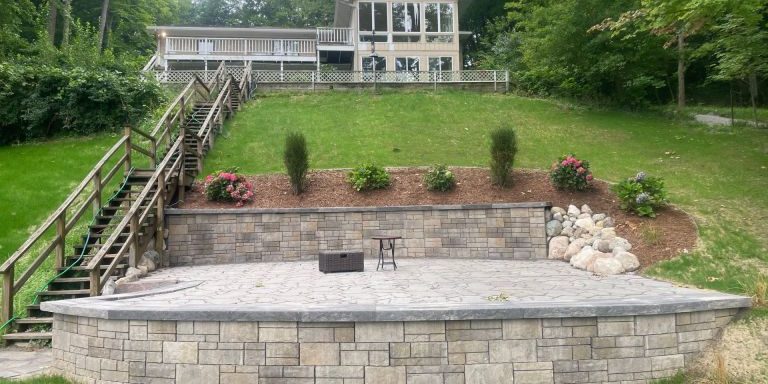
5 Low-Maintenance Summer Landscaping Ideas for West Michigan Homeowners
The secret to a beautiful West Michigan landscape that doesn’t consume your weekends is designing for leisure rather than labor. By swapping difficult turf for functional hardscapes like paver patios and boulder fire pits, and utilizing native perennials that naturally thrive in our unpredictable climate, you drastically reduce mowing, watering, and pruning. Strategic additions like dry creek beds manage heavy downpours, while automated lighting and a thick layer of hardwood mulch keep the yard looking pristine with zero ongoing effort. Ultimately, delegating the remaining upkeep to a comprehensive local team like Christian Brothers Outdoor Services ensures you can spend your short summer actually enjoying your yard, not just working on it.

The Best Native Plants for West Michigan Landscaping
West Michigan’s climate and soils favor plants that evolved here. Native trees like bur oak and flowering dogwood, shrubs like ninebark and winterberry, perennials like black-eyed susan and purple coneflower, and grasses like little bluestem all thrive across Kent, Ottawa, Muskegon, and Newaygo counties with far less water, fertilizer, and upkeep than non-native ornamentals. The tradeoff: most need consistent watering through their first season to establish. After that, they largely take care of themselves.
Recent Articles
How Much Does a Yard Cleanup Cost in West Michigan?
Most one-time yard cleanups in West Michigan land between $250 and $800. Properties that have gone a few seasons without attention, or that sit under heavy tree cover, can reach $1,500 or more. Treat these as budgeting ranges. The only way to get a firm number is to have someone walk the property.
5 Low-Maintenance Summer Landscaping Ideas for West Michigan Homeowners
The secret to a beautiful West Michigan landscape that doesn’t consume your weekends is designing for leisure rather than labor. By swapping difficult turf for functional hardscapes like paver patios and boulder fire pits, and utilizing native perennials that naturally thrive in our unpredictable climate, you drastically reduce mowing, watering, and pruning. Strategic additions like dry creek beds manage heavy downpours, while automated lighting and a thick layer of hardwood mulch keep the yard looking pristine with zero ongoing effort. Ultimately, delegating the remaining upkeep to a comprehensive local team like Christian Brothers Outdoor Services ensures you can spend your short summer actually enjoying your yard, not just working on it.
The Best Native Plants for West Michigan Landscaping
West Michigan’s climate and soils favor plants that evolved here. Native trees like bur oak and flowering dogwood, shrubs like ninebark and winterberry, perennials like black-eyed susan and purple coneflower, and grasses like little bluestem all thrive across Kent, Ottawa, Muskegon, and Newaygo counties with far less water, fertilizer, and upkeep than non-native ornamentals. The tradeoff: most need consistent watering through their first season to establish. After that, they largely take care of themselves.