
How Much Does Tree Trimming Cost?
In West Michigan, most homeowners pay between $300 and $700 for professional tree pruning, depending on tree size, height, and access. The national average typically lands around $450–$600.
Tree Trimming Cost by Tree Size
Tree size is one of the biggest pricing drivers. Height, canopy width, and branch thickness all affect labor and equipment needs.
- Small trees (under 30 feet): $150–$350. These include light pruning, shaping, or deadwood removal.
- Medium trees (30–60 feet): $300–$700. This includes structural pruning, canopy thinning, or clearance work.
- Large trees (over 60 feet): $700–$1,500+. The larger costs come from complex cuts, rigging, and larger crews.
What’s the Difference Between Tree Pruning and Tree Trimming?
These terms get mixed up, but they describe different goals.
- Tree trimming usually means light shaping or clearing smaller branches for appearance or clearance.
- Tree pruning focuses on safety, structure, and plant health.
Pruning often costs more because it requires deeper knowledge of growth patterns and correct cutting techniques. That’s what we’re discussing here.
What Factors Affect Tree Pruning Cost?
Tree Health and Condition
Dead, diseased, or storm-damaged branches require careful handling. Slower cuts and controlled lowering increase labor time.
Location Near Structures
Trees growing close to homes, garages, fences, or power lines add risk and complexity. Extra protection steps and rigging systems often apply.
Accessibility
A tree in an open yard is faster to prune than one tucked behind buildings or between property lines. Limited access adds setup and cleanup time.
Amount of Pruning Needed
Light maintenance pruning costs less than structural pruning that removes large portions of the canopy to improve long-term growth.
Cleanup and Debris Removal
Most professional services include hauling away branches and wood. Larger debris loads can influence the final price.
When Is the Best Time to Prune Trees?
- Late winter to early spring works well for many tree species.
- After storms pruning may be needed to remove damaged limbs.
- Summer pruning can help control growth or address clearance concerns.
Planning ahead outside peak storm seasons can help with availability.
Tips to Manage Tree Pruning Costs
- Schedule routine pruning instead of waiting for major issues.
- Bundle multiple trees into one visit.
- Clear access paths before the crew arrives.
- Address problem limbs early to avoid emergency work later, which can sometimes turn a pruning job into full tree removal or storm cleanup.
Frequently Asked Questions
How much does tree pruning cost per hour?
Some companies price by the hour, especially for smaller jobs. Hourly rates commonly range from $75 to $200 per hour, depending on crew size, equipment, and job complexity. Larger or higher-risk trees are often priced per project instead.
Does tree pruning increase property value?
Well-maintained trees improve curb appeal and reduce safety risks. While pruning alone may not directly raise home value, it can help prevent damage to roofs, siding, and walkways.
Is tree pruning covered by insurance?
Routine pruning is usually considered maintenance and is not covered. Insurance may apply if pruning is needed after storm damage or if a fallen limb causes covered property damage.
How often should trees be pruned?
Most mature trees benefit from pruning every three to five years. Younger trees may need more frequent shaping to guide healthy growth.
Can I prune my own trees to save money?
Small, low branches can sometimes be handled safely by homeowners. Larger limbs, tall trees, or work near structures should be left to trained crews with proper equipment.
Recent Articles

How Much Does a Yard Cleanup Cost in West Michigan?
Most one-time yard cleanups in West Michigan land between $250 and $800. Properties that have gone a few seasons without attention, or that sit under heavy tree cover, can reach $1,500 or more. Treat these as budgeting ranges. The only way to get a firm number is to have someone walk the property.
5 Low-Maintenance Summer Landscaping Ideas for West Michigan Homeowners
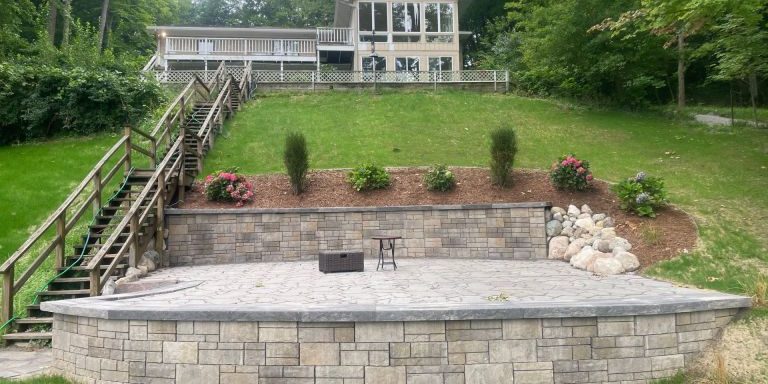
The secret to a beautiful West Michigan landscape that doesn’t consume your weekends is designing for leisure rather than labor. By swapping difficult turf for functional hardscapes like paver patios and boulder fire pits, and utilizing native perennials that naturally thrive in our unpredictable climate, you drastically reduce mowing, watering, and pruning. Strategic additions like dry creek beds manage heavy downpours, while automated lighting and a thick layer of hardwood mulch keep the yard looking pristine with zero ongoing effort. Ultimately, delegating the remaining upkeep to a comprehensive local team like Christian Brothers Outdoor Services ensures you can spend your short summer actually enjoying your yard, not just working on it.

The Best Native Plants for West Michigan Landscaping
West Michigan’s climate and soils favor plants that evolved here. Native trees like bur oak and flowering dogwood, shrubs like ninebark and winterberry, perennials like black-eyed susan and purple coneflower, and grasses like little bluestem all thrive across Kent, Ottawa, Muskegon, and Newaygo counties with far less water, fertilizer, and upkeep than non-native ornamentals. The tradeoff: most need consistent watering through their first season to establish. After that, they largely take care of themselves.
Recent Articles
How Much Does a Yard Cleanup Cost in West Michigan?
Most one-time yard cleanups in West Michigan land between $250 and $800. Properties that have gone a few seasons without attention, or that sit under heavy tree cover, can reach $1,500 or more. Treat these as budgeting ranges. The only way to get a firm number is to have someone walk the property.
5 Low-Maintenance Summer Landscaping Ideas for West Michigan Homeowners
The secret to a beautiful West Michigan landscape that doesn’t consume your weekends is designing for leisure rather than labor. By swapping difficult turf for functional hardscapes like paver patios and boulder fire pits, and utilizing native perennials that naturally thrive in our unpredictable climate, you drastically reduce mowing, watering, and pruning. Strategic additions like dry creek beds manage heavy downpours, while automated lighting and a thick layer of hardwood mulch keep the yard looking pristine with zero ongoing effort. Ultimately, delegating the remaining upkeep to a comprehensive local team like Christian Brothers Outdoor Services ensures you can spend your short summer actually enjoying your yard, not just working on it.
The Best Native Plants for West Michigan Landscaping
West Michigan’s climate and soils favor plants that evolved here. Native trees like bur oak and flowering dogwood, shrubs like ninebark and winterberry, perennials like black-eyed susan and purple coneflower, and grasses like little bluestem all thrive across Kent, Ottawa, Muskegon, and Newaygo counties with far less water, fertilizer, and upkeep than non-native ornamentals. The tradeoff: most need consistent watering through their first season to establish. After that, they largely take care of themselves.