
When the snow melts and temperatures begin to rise, your yard doesn’t just bounce back. Grass is matted, leaves are stuck in corners, and beds look uneven.
Spring cleanup is a seasonal landscaping service that removes winter debris, trims and prepares plants, refreshes landscape beds, and gets your lawn ready for healthy growth. It clears out what winter left behind and sets the stage for mowing, fertilizing, and ongoing lawncare throughout the growing season.
Think of it as pressing reset on your property.
What Does Spring Cleanup Include?
Spring cleanup services can vary depending on the size and condition of the property, but most include:
- Removing leaves, sticks, and storm debris
- Cleaning out landscape beds
- Cutting back ornamental grasses and perennials
- Light pruning of shrubs
- Redefining and edging bed lines
- First mow of the season
- Evaluating and addressing thatch buildup
Why Spring Cleanup Matters
Winter can leave behind more than visible debris. Beneath the surface, compacted soil, trapped moisture, and leftover organic matter can slow growth and create problems later in the season.
When cleanup is skipped, lawns often struggle to respond to fertilizer, mowing, and irrigation. Starting with a clean foundation makes everything else more effective.
A proper spring cleanup helps:
- Improve sunlight exposure to new grass
- Increase airflow around plants
- Reduce the risk of mold and disease
- Prepare the lawn for fertilization
- Identify winter damage early
A Simple Spring Cleanup Checklist
- Walk the property and inspect for winter damage
- Remove leaves and debris that block sunlight
- Cut back perennials and ornamental grasses
- Clear out dead annual material from beds
- Redefine bed edges for a sharp appearance
- Evaluate the lawn for thatch or compacted areas
- Prepare the lawn for mowing and seasonal treatments
When Should Spring Cleanup Be Done?
Timing depends on weather conditions, not just the calendar. Starting too early can harm soft turf. Waiting too long allows debris to smother new growth. Watching the condition of the lawn is more important than watching the date.
Cleanup should begin once:
- Snow has fully melted
- The ground is no longer frozen
- Soil is firm enough to walk on without causing damage
What Happens After Spring Cleanup?
Spring cleanup prepares the yard for the rest of the season. After it is complete, homeowners often move into:
- Regular mowing
- Fertilizer and weed control programs
- Aeration and overseeding
- Bed maintenance
- Irrigation system start-ups
- New planting or landscape projects
DIY vs. Hiring a Professional
Some homeowners prefer to handle spring cleanup themselves, especially on smaller properties. Raking, trimming, and clearing beds can be manageable with the right tools and time. However, for many busy homeowners, the time savings alone make professional service worthwhile.
Professional crews can:
- Dethatch efficiently
- Prune plants at the proper height
- Edge beds cleanly and evenly
- Spot early signs of lawn stress
- Complete the work in a fraction of the time
Spring Cleanup in West Michigan
While spring cleanup applies anywhere with seasonal weather changes, it is especially important in areas with long, snowy winters.
Across Grand Rapids, Muskegon, Holland, Newaygo, and more, properties often experience:
- Heavy snow buildup
- Freeze-thaw cycles
- Salt damage near driveways and sidewalks
- Compacted soil from prolonged snow cover
These conditions make a thorough cleanup more than cosmetic. It helps lawns recover evenly and prepares beds for a strong growing season.
Christian Brothers Outdoor Services serves homeowners throughout West Michigan who want their properties handled with attention to detail and a steady work ethic. Many clients begin with spring cleanup and continue with lawncare maintenance, fertilization programs, irrigation service, tree work, or landscape construction.
Recent Articles

How to Choose Between Stump Grinding vs. Stump Removal
Stump grinding is usually the best choice for lawns, garden beds, and many landscaping projects. It’s generally faster, less expensive, and less disruptive than full removal. If you’re building a foundation, installing a structure, or planting another tree in the same location, you may need to remove more of the stump and its root system.

How Much Does Stump Removal Cost?
Plan on roughly $100 to $400 to grind one stump, with large hardwood stumps sometimes costing $450 or more. Grinding multiple stumps in one visit usually lowers the price per stump. These are budgeting estimates based on published pricing guides, not Christian Brothers’ quoted rates. Your final cost depends on your property and the work you need done.
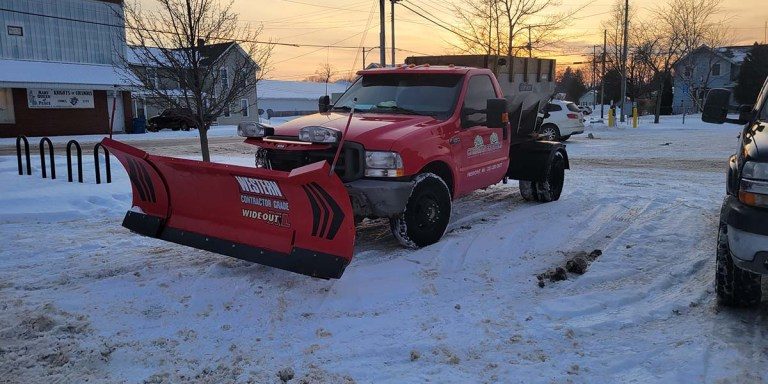
What Does Snow Removal Cost in West Michigan?
Residential snow removal in West Michigan usually costs about $50 to $100 per visit, while seasonal driveway contracts often fall between $350 and $650. Commercial snow removal may start around $50 to $200 per push and climb from there based on the property, salting, snow trigger, and how quickly the site needs to be cleared.
Recent Articles
How to Choose Between Stump Grinding vs. Stump Removal
Stump grinding is usually the best choice for lawns, garden beds, and many landscaping projects. It’s generally faster, less expensive, and less disruptive than full removal. If you’re building a foundation, installing a structure, or planting another tree in the same location, you may need to remove more of the stump and its root system.
How Much Does Stump Removal Cost?
Plan on roughly $100 to $400 to grind one stump, with large hardwood stumps sometimes costing $450 or more. Grinding multiple stumps in one visit usually lowers the price per stump. These are budgeting estimates based on published pricing guides, not Christian Brothers’ quoted rates. Your final cost depends on your property and the work you need done.
What Does Snow Removal Cost in West Michigan?
Residential snow removal in West Michigan usually costs about $50 to $100 per visit, while seasonal driveway contracts often fall between $350 and $650. Commercial snow removal may start around $50 to $200 per push and climb from there based on the property, salting, snow trigger, and how quickly the site needs to be cleared.