
Watering your lawn sounds simple, but doing it well makes all the difference. Proper irrigation strengthens roots, improves color, reduces drought stress, and supports a healthier lawn through every season.
Our guide explains how to irrigate your lawn correctly, with practical steps, seasonal guidance, and irrigation system tips.
Why Good Irrigation Matters
Your lawn depends on a steady supply of moisture in the root zone. When irrigation is consistent and deep:
- Roots grow farther down into the soil
- Turf becomes more tolerant of heat and foot traffic
- Soil stays stable and less prone to cracking
- Grass resists disease and thinning
- Water waste stays low
Poor irrigation leads to shallow roots, brown areas, and wasted water. Even small changes to how you irrigate can lead to noticeable improvements.
The Right Way to Irrigate Your Lawn: Step-by-Step
1. Water Early in the Morning
The best time to irrigate is between 4 a.m. and 9 a.m.
Why morning is best:
- Cooler air slows evaporation
- Wind is usually lowest
- Soil absorbs water more effectively
- Grass dries soon after sunrise, lowering disease risk
Avoid evening watering. Moisture that sits overnight encourages fungus, especially in humid West Michigan summers.
2. Water Deeply, Not Lightly
Deep irrigation pushes moisture 6 to 8 inches into the soil. This strengthens the root system and prepares turf for dry spells.
Most lawns need 1 inch of water per week, including rainfall.
Helpful guidelines:
- Run sprinklers for longer intervals rather than short daily cycles
- Split watering into two deep sessions each week
- Allow soil to dry slightly between cycles
Deep watering produces a more resilient lawn than daily light sprinkling.
3. Adjust Irrigation for Your Soil Type
Your soil structure determines how water moves and how long irrigation should run.
Clay Soil (common in Kent & Ottawa Counties)
- Absorbs slowly
- Can cause runoff if watered too quickly
- Best approach: shorter cycles with pauses in between
Sandy Soil (found in Muskegon & Newaygo Counties)
- Drains quickly
- Needs longer watering cycles to reach deeper roots
Loam
- Absorbs and retains moisture evenly
- Easiest for balanced irrigation
Understanding soil helps you run your irrigation long enough without wasting water.
Watering Duration by Irrigation System
Different irrigation systems apply water at different speeds. Start with these general ranges and adjust after testing your output.
Spray Heads (fixed spray)
- Apply water quickly
- Run 10–15 minutes per zone
- Clay soil may require two shorter cycles
Rotor Heads (rotating streams)
- Slower, more even application
- Run 20–40 minutes per zone
Drip Irrigation
- Very slow and efficient
- Run 30–60 minutes depending on layout
- Best for beds, borders, and shrubs
Hose-End Sprinklers
- Output varies widely
- Use water tests (below) to calibrate run times
Simple Tests to Know You’re Watering Correctly
The Tuna Can Test (Measure Sprinkler Output)
- Place a few shallow cans across the lawn.
- Run sprinklers for 15 minutes.
- Measure water depth.
- Adjust cycle length until you reach half an inch per session.
The Screwdriver Test (Measure Soil Moisture)
Push a screwdriver into the soil:
- Slides in smoothly: soil has enough moisture
- Stops after a couple inches: lawn needs deeper watering
The Footprint Test
If footprints remain visible after walking across the lawn, the soil is too dry.
These tests help you fine-tune irrigation without guessing.
Seasonal Irrigation Guide for West Michigan
Our region’s mix of lake-effect humidity, heat waves, and cool nights creates shifting watering needs across the year.
| Season | How Often to Irrigate | Notes |
| Early Spring (Apr–May) | Every 7–10 days if rainfall is low | Soil remains moist from winter. Overwatering is common. |
| Early Summer (Jun) | Once per week | Begin deep cycles as temperatures rise. |
| Peak Summer (Jul–Aug) | 1–2 times per week | Use early morning watering to reduce stress during heat spells. |
| Early Fall (Sep) | Once per week | Soil starts cooling; grass prepares for winter. |
| Late Fall (Oct) | Minimal irrigation | Reduce watering as temperatures drop; avoid nighttime cycles. |
System-Specific Irrigation Tips
Portable or Hose-End Sprinklers
- Check coverage overlap to avoid dry patches
- Move sprinklers slowly and evenly across the lawn
- Use the tuna can test to set timing
In-Ground Systems
- Schedule cycles for early morning
- Ensure heads match precipitation rate
- Keep heads unclogged and properly aligned
- Install rain sensors or soil moisture sensors for efficiency
Drip Systems
- Best for planted beds, but can also supplement lawn edges
- Adjust watering duration during hot or windy weeks
- Inspect lines regularly for clogs or pinched tubing
Smart Controllers
- Adjust watering automatically for weather changes
- Helpful during Michigan’s inconsistent summer patterns
- Reduce water waste through real-time scheduling
Water Conservation Tips That Improve Results
Efficient watering protects your lawn and your budget.
- Use rain sensors to skip unnecessary cycles
- Water deeply to reduce total watering sessions
- Fix leaks promptly
- Avoid watering during windy afternoons
- Raise mowing height to shade soil and retain moisture
- Aerate in the fall to help water reach the roots faster
Conserving water improves turf health by encouraging deeper roots instead of fast surface growth.
Troubleshooting: Signs Your Lawn Needs Better Irrigation
Look for these common issues:
| Problem | What It Means | What To Do |
| Dry, brown patches | Not enough water or uneven coverage | Check sprinkler alignment and water deeply |
| Mushy soil or puddles | Overwatering or poor drainage | Reduce run time; allow soil to dry |
| Footprints remain visible | Soil is too dry | Increase watering duration |
| Grass wilts in midday shade | Roots too shallow | Increase deep watering cycles |
| Water running off the lawn | Soil absorption too slow | Split watering into shorter cycles |
When to Call a Professional
A professional irrigation technician can help with:
- Uneven water distribution
- Pressure issues
- Clogged sprinkler heads
- Faulty valves or wiring
- Seasonal adjustments
- Full-system design or upgrades
FAQ: How to Irrigate Your Lawn
How much water does my lawn need each week?
Most lawns need around 1 inch of water per week, including rainfall.
What is the best time of day to irrigate?
Early morning between 4 a.m. and 9 a.m. for the best absorption.
How long should I water each zone?
Spray heads: 10–15 minutes.
Rotors: 20–40 minutes.
Drip: 30–60 minutes.
Should I water every day?
No. Deep watering two or three times per week produces stronger roots.
How do I know if I’m overwatering?
Look for soggy soil, mushrooms, or runoff.
How do I know if I’m underwatering?
Dry soil, folding leaf blades, and footprints that don’t bounce back.
Do smart irrigation systems help?
Yes. They adapt schedules based on rainfall, heat, and soil moisture.
Recent Articles

How Much Does Fall Cleanup Cost in West Michigan?
Most fall cleanups in West Michigan cost between $200 and $800 for a single visit, with large or heavily wooded properties costing $1,000 or more. Fall clean-ups also often require more visits per season (two to three) if they have heavy leaf coverage, which increases the total cleanup price.

How Much Does a Yard Cleanup Cost in West Michigan?
Most one-time yard cleanups in West Michigan land between $250 and $800. Properties that have gone a few seasons without attention, or that sit under heavy tree cover, can reach $1,500 or more. Treat these as budgeting ranges. The only way to get a firm number is to have someone walk the property.
5 Low-Maintenance Summer Landscaping Ideas for West Michigan Homeowners
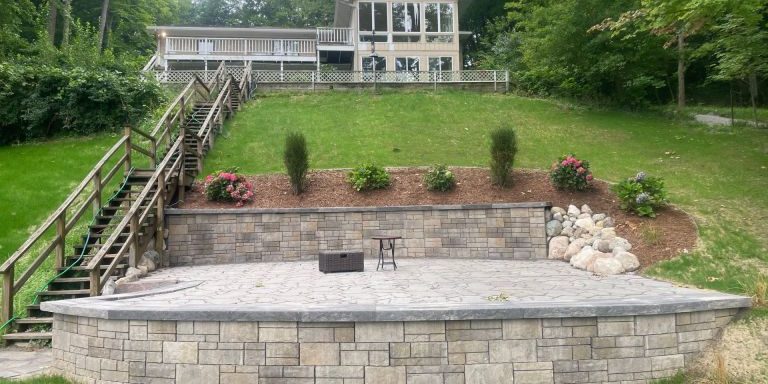
The secret to a beautiful West Michigan landscape that doesn’t consume your weekends is designing for leisure rather than labor. By swapping difficult turf for functional hardscapes like paver patios and boulder fire pits, and utilizing native perennials that naturally thrive in our unpredictable climate, you drastically reduce mowing, watering, and pruning. Strategic additions like dry creek beds manage heavy downpours, while automated lighting and a thick layer of hardwood mulch keep the yard looking pristine with zero ongoing effort. Ultimately, delegating the remaining upkeep to a comprehensive local team like Christian Brothers Outdoor Services ensures you can spend your short summer actually enjoying your yard, not just working on it.
Recent Articles
How Much Does Fall Cleanup Cost in West Michigan?
Most fall cleanups in West Michigan cost between $200 and $800 for a single visit, with large or heavily wooded properties costing $1,000 or more. Fall clean-ups also often require more visits per season (two to three) if they have heavy leaf coverage, which increases the total cleanup price.
How Much Does a Yard Cleanup Cost in West Michigan?
Most one-time yard cleanups in West Michigan land between $250 and $800. Properties that have gone a few seasons without attention, or that sit under heavy tree cover, can reach $1,500 or more. Treat these as budgeting ranges. The only way to get a firm number is to have someone walk the property.
5 Low-Maintenance Summer Landscaping Ideas for West Michigan Homeowners
The secret to a beautiful West Michigan landscape that doesn’t consume your weekends is designing for leisure rather than labor. By swapping difficult turf for functional hardscapes like paver patios and boulder fire pits, and utilizing native perennials that naturally thrive in our unpredictable climate, you drastically reduce mowing, watering, and pruning. Strategic additions like dry creek beds manage heavy downpours, while automated lighting and a thick layer of hardwood mulch keep the yard looking pristine with zero ongoing effort. Ultimately, delegating the remaining upkeep to a comprehensive local team like Christian Brothers Outdoor Services ensures you can spend your short summer actually enjoying your yard, not just working on it.