
Picture a backyard with a patio where the family gathers on summer nights, steps that guide you down to a garden, and a retaining wall that keeps soil from washing away each spring. That’s what you can get with great landscape construction.
It’s the part of landscaping that turns design ideas into permanent, functional features.
What Is Landscape Construction?
Landscape construction is the process of building the structural elements of your outdoor space. Unlike mowing or planting flowers, it focuses on features designed to last: patios, retaining walls, steps, and drainage systems.
Think of it as the backbone of a landscape—the framework that softscape elements like lawns, trees, and flowers grow around.

Hardscape vs. Softscape
You’ll often hear these two terms in landscaping:
- Hardscape (construction): patios, retaining walls, fire pits, steps, walkways, drainage systems
- Softscape (living elements): lawns, shrubs, trees, flower beds, seasonal plantings
The best landscapes bring both together: structure from hardscapes, life from softscapes.
Why Landscape Construction Matters
While lawns and plantings shift with the seasons, landscape construction gives your property durability and function.
- Adds curb appeal and long-term value
- Expands usable outdoor space
- Improves safety and accessibility
- Prevents problems like erosion or poor drainage
In West Michigan, these projects are especially valuable. Freeze–thaw cycles can shift patios and walls if they aren’t built right. Heavy clay soils lead to pooling water without proper drainage. Slopes can make a yard unusable until retaining walls create level ground. Landscape construction solves these challenges.
Common Elements of Landscape Construction
Every project is different, but most include:
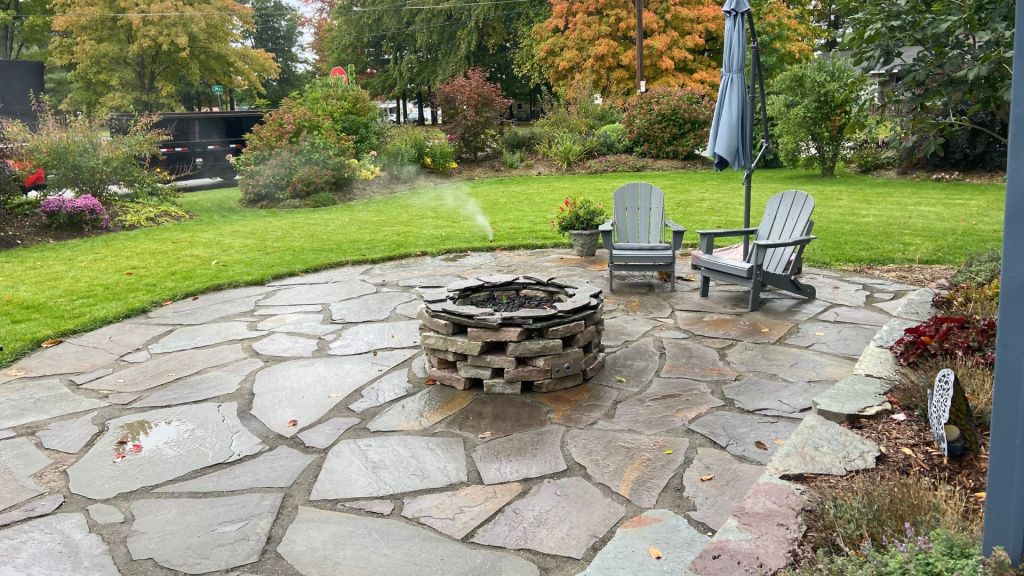
- Patios: Outdoor living areas built with pavers, natural stone, or concrete
- Retaining Walls: Hold back soil, prevent erosion, add usable space
- Steps & Walkways: Improve flow and accessibility across your property
- Outdoor Living Features: Fire pits, seating walls, built-in spaces for entertaining
- Drainage Systems: French drains, grading, and other solutions that keep water from becoming a problem
- Planting Beds: Often finished around new hardscapes for a polished look
Ready to add one of these features? Schedule an Appointment with our team!
Materials & Trade-Offs
Choosing the right material is about balancing budget, style, and performance.
| Material | Pros | Cons |
|---|---|---|
| Concrete Pavers | Affordable, many styles, easy to repair | Can shift without proper base |
| Natural Stone | Unique patterns, upscale appearance | Higher cost, skilled labor required |
| Poured Concrete | Modern, durable, smooth look | Harder to repair, risk of cracking |
| Segmental Wall Block | Engineered strength, built for drainage | Can appear uniform without design touches |
Our crews help you compare options and choose the material that fits your property and goals.
Our crews help you compare options and choose the material that fits your property and goals.
The Process: Step by Step
Here’s what a typical project looks like:
- Site Evaluation – We assess slope, soil, drainage, and layout.
- Design & Planning – A plan is created to match your vision and budget.
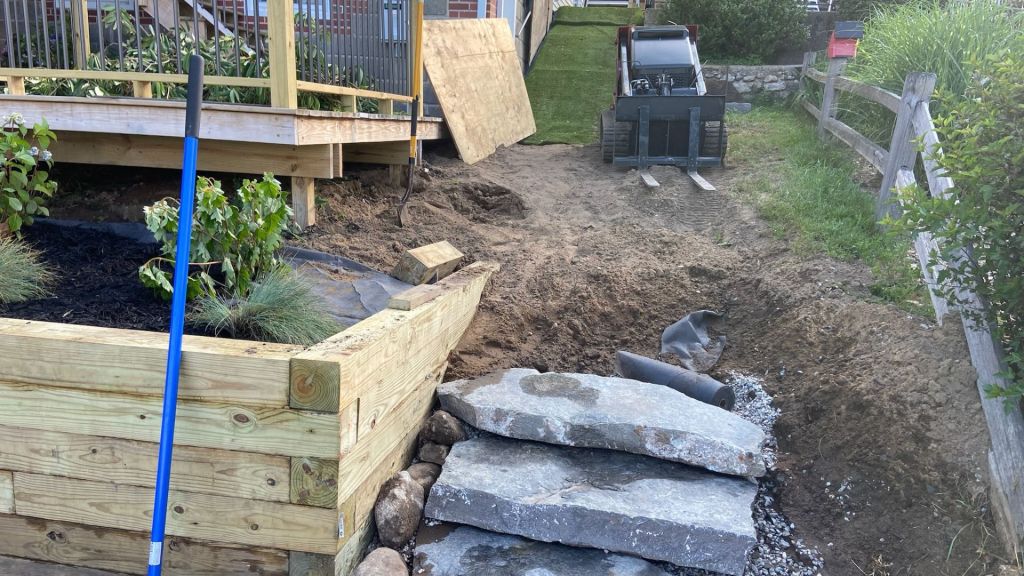
- Excavation & Grading – Soil is removed and leveled to form a stable base.
- Drainage Prep – Systems like gravel bases or piping are installed.
- Construction – Patios, walls, and steps are carefully built.
- Softscape Finish – Plantings, mulch, and soil are added to tie it all together.
- Final Walkthrough – We make adjustments and confirm everything is just right.
This process ensures your new features don’t just look good—they stand strong for years.
How Long & How Much?
- Small projects (walkways, fire pits): A few days
- Medium projects (patios, single retaining wall): 1–2 weeks
- Large projects (multi-feature builds, tiered walls, full yard remodel): Several weeks
Cost factors include:
- Materials chosen
- Size and complexity of the project
- Site prep (soil type, slope, accessibility)
- Permitting or design needs
We provide free estimates and talk through every option so you understand what goes into your project.
Common Mistakes (and How We Avoid Them)
Landscape construction is an investment, and shortcuts can cause problems down the road.
- Poor drainage → Leads to frost heave, pooling, or wall failure
- Skipping soil prep → Causes uneven settling and shifting pavers
- Wrong materials for climate → Early cracking or breakdown in freeze–thaw cycles
At Christian Brothers, we build every project on a solid base, add proper drainage, and select materials that fit Michigan’s climate.
Maintaining Your Investment
Hardscapes last for decades with the right care. Here’s a seasonal checklist:
- Spring – Check for shifting, reseed around edges, clean surfaces
- Summer – Seal pavers or stone if needed, wash off stains
- Fall – Clear leaves and debris to prevent staining
- Winter – Use salt alternatives where possible to reduce surface wear
Our team can also return for seasonal maintenance—pruning, bed care, and cleanups that keep your new landscape looking fresh.
Frequently Asked Questions
What does landscape construction include?
Patios, retaining walls, steps, walkways, fire pits, drainage systems, and planting around new structures.
Do I need a permit in Michigan?
Certain projects—like larger retaining walls or structures—may require permits. We’ll guide you through the process.
Can landscape construction be done in winter?
Smaller jobs can sometimes be handled in winter, but most projects are best scheduled spring through fall.
How long will my project last?
With proper installation and care, patios and walls can last for decades.
What’s the difference between landscaping and landscape construction?
Landscaping covers both plants and hardscapes. Landscape construction is the building side—installing the structures that give your yard shape.
Recent Articles

How to Choose Between Stump Grinding vs. Stump Removal
Stump grinding is usually the best choice for lawns, garden beds, and many landscaping projects. It’s generally faster, less expensive, and less disruptive than full removal. If you’re building a foundation, installing a structure, or planting another tree in the same location, you may need to remove more of the stump and its root system.

How Much Does Stump Removal Cost?
Plan on roughly $100 to $400 to grind one stump, with large hardwood stumps sometimes costing $450 or more. Grinding multiple stumps in one visit usually lowers the price per stump. These are budgeting estimates based on published pricing guides, not Christian Brothers’ quoted rates. Your final cost depends on your property and the work you need done.
What Does Snow Removal Cost in West Michigan?
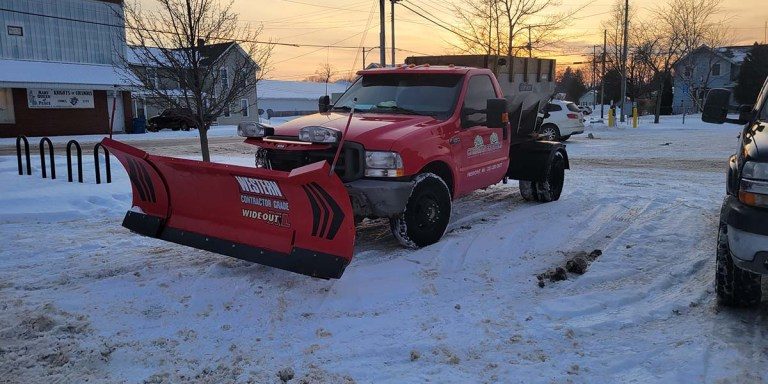
Residential snow removal in West Michigan usually costs about $50 to $100 per visit, while seasonal driveway contracts often fall between $350 and $650. Commercial snow removal may start around $50 to $200 per push and climb from there based on the property, salting, snow trigger, and how quickly the site needs to be cleared.
Recent Articles
How to Choose Between Stump Grinding vs. Stump Removal
Stump grinding is usually the best choice for lawns, garden beds, and many landscaping projects. It’s generally faster, less expensive, and less disruptive than full removal. If you’re building a foundation, installing a structure, or planting another tree in the same location, you may need to remove more of the stump and its root system.
How Much Does Stump Removal Cost?
Plan on roughly $100 to $400 to grind one stump, with large hardwood stumps sometimes costing $450 or more. Grinding multiple stumps in one visit usually lowers the price per stump. These are budgeting estimates based on published pricing guides, not Christian Brothers’ quoted rates. Your final cost depends on your property and the work you need done.
What Does Snow Removal Cost in West Michigan?
Residential snow removal in West Michigan usually costs about $50 to $100 per visit, while seasonal driveway contracts often fall between $350 and $650. Commercial snow removal may start around $50 to $200 per push and climb from there based on the property, salting, snow trigger, and how quickly the site needs to be cleared.