
Although the best time to fertilize your lawn varies based on which part of the United States you live in, West Michigan’s ideal window is typically early spring and early fall.
Here’s why it matters when and how you apply fertilizer, plus some tips for keeping grass in Michigan beautiful and healthy throughout the year.
Why Timing Matters with Fertilization
There is such thing as too much of a good thing with fertilizer. Applying it at the wrong time or in the wrong amount can potentially kill your grass or cause you to waste your time and the money you spent on fertilizer products.
However, well-timed fertilization can have amazing benefits for your grass, including:
-
1. Letting Your Lawn Use Nutrients More Effectively
Fertilizer provides essential nutrients—most notably Nitrogen (N), Phosphorus (P), and Potassium (K)—that the soil might lack. However, the effectiveness of fertilization goes beyond simply adding these elements.
-
Replacing Depleted Nutrients: Grass constantly draws nutrients from the soil to grow. Mowing removes the grass blades (which contain these nutrients), and over time, the soil becomes depleted. Fertilizer acts as a direct supplement to restore this balance.
-
Optimizing Uptake: When applied correctly, the nutrients are dissolved and made available to the grassroots in a form they can easily absorb. For example, nitrogen (N) is crucial for blade growth and color, while phosphorus (P) aids in energy transfer and root establishment.
-
Supporting Photosynthesis: By ensuring the lawn has ample nitrogen, the grass can produce the chlorophyll necessary for photosynthesis, the process by which it converts sunlight, water, and CO2 into energy (sugars). Effective nutrient use means better energy production and, therefore, healthier, greener growth.
-
The Role of Soil pH: Fertilization is most effective when the soil CO2 is within the optimal range (usually $6.0$ to $7.0$ for turfgrass). If the $\text{pH}$ is too high or too low, the grass struggles to unlock and use the added fertilizer, even if it is present. This is why soil testing is a critical component of effective nutrient use.
2. Improving Resilience to Heat, Drought, and Heavy Foot Traffic
A well-fed lawn is a strong lawn, and strength translates directly into the ability to withstand environmental and physical stressors.
-
Water Management (Drought Resistance): Adequate fertilization, especially potassium (K), strengthens the entire plant structure. This includes the cell walls, which help the grass regulate its turgor pressure (the internal water pressure that keeps the blades rigid). Grass with strong cell walls loses water more slowly and can sustain itself longer during dry periods, making it less likely to go dormant or brown out under drought conditions.
-
Traffic Recovery: Grass blades that are constantly trampled, or cut during mowing, need a significant energy reserve to repair and regrow. A steady supply of nitrogen fuels this rapid cell regeneration, allowing the lawn to quickly recover from wear and tear.
-
Disease and Pest Resistance: Potassium (K), often called the “health nutrient,” is essential for boosting the plant’s natural immune system. Stronger cell walls make the grass more physically resistant to penetration by fungal diseases and insect pests, reducing the need for chemical interventions.
3. Supporting Seasonal Root Growth and Recovery
Timing is everything in lawn care, and fertilization plays a key role in aligning with the grass’s natural seasonal cycles.
-
Cool-Season Grasses (like in Michigan): These grasses focus on root development in the spring and, crucially, in the fall.
-
Fall Feeding (The Most Important): Applying fertilizer in early fall (September-October) doesn’t just encourage green-up; it prompts the grass to divert its energy from blade growth into deep, vertical root growth and the storage of carbohydrates. These stored carbohydrates are like a battery, providing the energy needed to survive winter dormancy and jump-start growth the following spring.
-
Spring Feeding: An early spring application (April-May) provides a gentle boost to help the grass emerge from dormancy. It supports the initial green-up and aids the establishment of new roots before the stress of summer heat arrives.
-
-
Warm-Season Grasses: Fertilization supports their active growth period during the heat of summer.
-
Recovery and Establishment: For a lawn that has undergone aeration, de-thatching, or suffered from disease, fertilization speeds up the recovery process. The nutrients provide the necessary building blocks to fill in bare spots and re-establish a dense, healthy turf.
The Best Time to Fertilize Your Lawn in Michigan
-
West Michigan is home mainly to cool-season grasses that respond best to receiving two main feedings per year.
Early Spring (April–May)
Once the ground has thawed and your grass is starting to wake up from its winter slumber, fertilization can jump-start its green-up process. It also helps the roots grow strong before summer and works well with pre-emergent weed control.
Early Fall (September–October)
Fertilizing in the fall gives your grass the strength it needs to recover from any nutrients it lost over the summer and helps it grow strong roots before winter.
Seasonal Fertilization Tips for West Michigan
Follow these steps to get the most out of your fertilizer each time you apply it:
- Water after fertilizing: Unless you’re using a slow-release blend that says otherwise, this helps the soil take in more nutrients.
- Avoid applying before heavy rain: On the other hand, if you’re about to receive heavy rain, fertilizing before a major storm can wash the nutrients away.
- Fertilize after mowing: Always mow first so the product isn’t wasted on clippings.
- Aerate during fall fertilization: This maximizes nutrient absorption so the grass is primed for growth in the spring.
How to Tell It’s Time to Fertilize
These are the signs your lawn may be hungry for fertilizer:
- The grass’s color is fading or looks pale
- Growth has slowed, even in an active growing season
- Soil tests show you have low nutrient levels
- Your lawn is recovering from pests, disease, or heavy foot traffic
When to Skip Fertilization
There are a few instances where you should skip fertilization altogether, even if it’s during your scheduled window:
- Your lawn doesn’t have irrigation and is under drought stress
- The grass is brown, brittle, and dormant in the summer heat
- The soil is saturated or frozen
- You’ve recently reseeded
Common Fertilization Mistakes to Avoid
- Fertilizing too early: Starting in March might seem like a smart way to get ahead of your to-do list, but it can cause leaves to grow too quickly before the roots are ready.
- Overfertilizing: Aside from being bad for the environment because the excess fertilizer will drain into rivers and streams, too much fertilizer can “burn” your grass and cause dead spots to form.
- Using the wrong product for your grass: There are different types of grass, just like there are different types of fertilizer. Choosing a fertilizer with the wrong chemical balance can harm the grass.
- Skipping soil testing: Without it, you’re playing a guessing game over what your lawn needs.
Frequently Asked Questions (FAQ)
When is the worst time to fertilize?
Other than the middle of winter, we recommend avoiding fertilizing during extreme heat, drought, or when heavy rain is in the forecast. You may end up harming the grass and wasting product if you try to fertilize in these conditions.
Can I fertilize and seed at the same time?
Yes—but only if you’re using a starter fertilizer. Avoid high-nitrogen blends when you’re trying to plant new grass, as it damages seedlings while they’re trying to grow.
How often should I fertilize?
For most West Michigan lawns, 2–4 feedings is bet. You should space these 6–8 weeks apart during active growth periods.
What type of fertilizer should I apply in the fall?
Use a blend with higher potassium levels if you’re trying to winterize your lawn. This will improve its disease resistance and winter hardiness.
Recent Articles
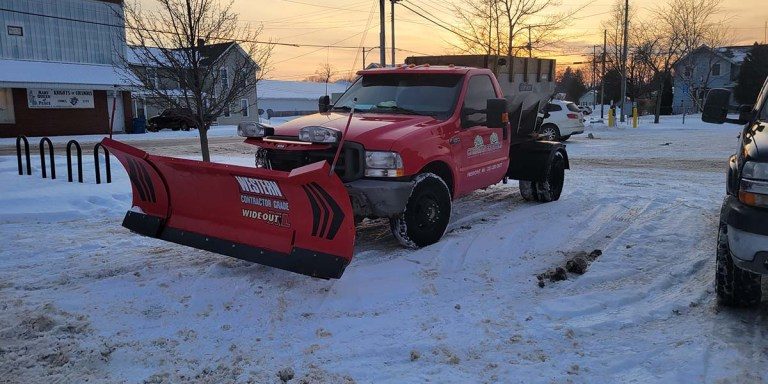
What Does Snow Removal Cost in West Michigan?
Residential snow removal in West Michigan usually costs about $50 to $100 per visit, while seasonal driveway contracts often fall between $350 and $650. Commercial snow removal may start around $50 to $200 per push and climb from there based on the property, salting, snow trigger, and how quickly the site needs to be cleared.

How Much Does Fall Cleanup Cost in West Michigan?
Most fall cleanups in West Michigan cost between $200 and $800 for a single visit, with large or heavily wooded properties costing $1,000 or more. Fall clean-ups also often require more visits per season (two to three) if they have heavy leaf coverage, which increases the total cleanup price.

How Much Does a Yard Cleanup Cost in West Michigan?
Most one-time yard cleanups in West Michigan land between $250 and $800. Properties that have gone a few seasons without attention, or that sit under heavy tree cover, can reach $1,500 or more. Treat these as budgeting ranges. The only way to get a firm number is to have someone walk the property.
Recent Articles
What Does Snow Removal Cost in West Michigan?
Residential snow removal in West Michigan usually costs about $50 to $100 per visit, while seasonal driveway contracts often fall between $350 and $650. Commercial snow removal may start around $50 to $200 per push and climb from there based on the property, salting, snow trigger, and how quickly the site needs to be cleared.
How Much Does Fall Cleanup Cost in West Michigan?
Most fall cleanups in West Michigan cost between $200 and $800 for a single visit, with large or heavily wooded properties costing $1,000 or more. Fall clean-ups also often require more visits per season (two to three) if they have heavy leaf coverage, which increases the total cleanup price.
How Much Does a Yard Cleanup Cost in West Michigan?
Most one-time yard cleanups in West Michigan land between $250 and $800. Properties that have gone a few seasons without attention, or that sit under heavy tree cover, can reach $1,500 or more. Treat these as budgeting ranges. The only way to get a firm number is to have someone walk the property.