
What is Hydroseeding?
Hydroseeding is a planting process that uses a slurry of seed, mulch, fertilizer, tackifier, and water to establish grass quickly and evenly. It’s a preferred method for homeowners, contractors, and municipalities because it offers faster growth than traditional seeding and is more cost-effective than sod. Originally developed in the 1940s for large-scale erosion control, hydroseeding is now commonly used for both residential and commercial landscaping projects across the country.
At CB Outdoor Services, we specialize in hydroseeding services tailored to the soil conditions and climate of West Michigan—ensuring optimal results whether you’re looking to improve a home lawn, commercial landscape, or construction site.
Step-by-Step: How Hydroseeding Transforms Your Lawn
The hydroseeding process is simple but powerful:
- Slurry Composition: A mixture of grass seed, mulch (wood or paper-based), starter fertilizer, a tackifier to help it adhere, and water.
- Equipment Used: A hydro-mulcher machine agitates and sprays the mixture evenly across the soil.
- Application Steps:
- Soil is prepped (cleared, leveled, and conditioned).
- The slurry is mixed and sprayed over the target area.
- Germination begins within 5–7 days under ideal conditions.

The Benefits of Hydroseeding
- Fast Germination: Grass typically sprouts within a week.
- Even Coverage: Minimizes patchiness and bare spots.
- Budget-Friendly: Costs less than sod for large areas.
- Erosion Control: Ideal for sloped and unstable areas.
- Customizable Seed Mixes: Suited to West Michigan’s climate and soil.
| Who Needs It | Key Benefit |
|---|---|
| Homeowner Harry | Affordable lush lawn in under 3 weeks |
| DIY Dana | Equipment available for rental and use |
| Landscaper Liam | Efficient coverage on large properties |
| Contractor Carla | Slope stabilization and erosion control |
| Municipal Manager Mike | Large-scale seeding with sustainability in mind |
Hydroseeding vs. Other Lawn Establishment Methods
| Method | Avg. Cost per Sq. Ft | Installation Time | Maintenance | Best Use Case |
| Hydroseeding | $0.18–$0.25 | 1 day | Moderate | Large or uneven areas |
| Sodding | $0.75–$1.00 | Immediate | Low | Small, visible areas |
| Traditional Seeding | $0.05–$0.10 | Several weeks | High | Small, flat lawns |
Ideal Applications for Hydroseeding in West Michigan
- Home Lawns: Large yards or new builds needing quick turf.
- Commercial Sites: Business parks, campuses, multi-family housing.
- Construction Zones: Soil stabilization and erosion control.
- Public Works: Roadside slopes, ditches, or parks.

How to Hydroseed Your Lawn: A Step-by-Step DIY Guide
If you’re the hands-on type, here’s how to hydroseed yourself:
- Equipment: Rent a hydroseeder from a local landscape supply store.
- Materials Needed: Grass seed suited to your soil type, hydro-mulch, starter fertilizer, and tackifier.
- Steps:
- Loosen and level the soil.
- Mix your slurry thoroughly.
- Spray evenly, avoiding oversaturation.
- Water lightly 2–3 times daily.
How to Choose the Right Hydroseeding Contractor in West Michigan
When hiring a professional, ask the right questions:
- What seed blends do you use for West Michigan lawns?
- Are you licensed and insured?
- Can I see before-and-after photos of past projects?
- What’s included in your aftercare plan?
CB Outdoor Services customizes every job with regional experience and customer satisfaction in mind.
Understanding the Cost of Hydroseeding
- DIY Cost: $0.10–$0.15/sq ft (excluding machine rental)
- Professional Service: $0.18–$0.25/sq ft
Factors that affect price:
- Size of the area
- Terrain and grading
- Seed blend type
Post-Hydroseeding Lawn Care: Timeline & Pro Tips
- Water: 2–3x daily for 2 weeks, tapering off after germination.
- Fertilize: Apply starter fertilizer again at 30 days.
- Mow: When grass reaches 4 inches (cut to 3 inches).
- Foot Traffic: Avoid for the first 3–4 weeks.
Environmental Benefits of Hydroseeding
Hydroseeding supports:
- Reduced Erosion: Especially on slopes and banks.
- Less Water Long-Term: Deep root systems retain moisture better than sod.
- Native-Friendly Options: Use eco-safe or pollinator-supporting blends.
- Sustainability: Lower carbon footprint than sod delivery/transport.
CB Outdoor Services follows Michigan’s environmental best practices for all projects.
Frequently Asked Questions About Hydroseeding
How long does hydroseeding take to grow?
You’ll typically see germination in 5–7 days with full coverage in 3–4 weeks.
Is hydroseeding better than sod?
It’s more cost-effective and better for large or sloped areas. Sod is instant but pricey.
Can I hydroseed myself?
Yes, but it’s complex. Most prefer hiring professionals to ensure success.
What type of seed is used in West Michigan?
Kentucky Bluegrass, Fine Fescue, and Perennial Rye perform best in our climate.
When is the best time to hydroseed?
Spring or early fall, when soil temperatures are between 55–70°F.
Recent Articles
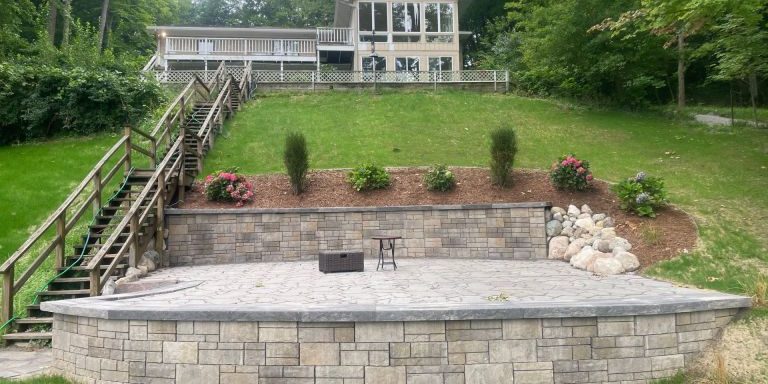
5 Low-Maintenance Summer Landscaping Ideas for West Michigan Homeowners
The secret to a beautiful West Michigan landscape that doesn’t consume your weekends is designing for leisure rather than labor. By swapping difficult turf for functional hardscapes like paver patios and boulder fire pits, and utilizing native perennials that naturally thrive in our unpredictable climate, you drastically reduce mowing, watering, and pruning. Strategic additions like dry creek beds manage heavy downpours, while automated lighting and a thick layer of hardwood mulch keep the yard looking pristine with zero ongoing effort. Ultimately, delegating the remaining upkeep to a comprehensive local team like Christian Brothers Outdoor Services ensures you can spend your short summer actually enjoying your yard, not just working on it.

The Best Native Plants for West Michigan Landscaping
West Michigan’s climate and soils favor plants that evolved here. Native trees like bur oak and flowering dogwood, shrubs like ninebark and winterberry, perennials like black-eyed susan and purple coneflower, and grasses like little bluestem all thrive across Kent, Ottawa, Muskegon, and Newaygo counties with far less water, fertilizer, and upkeep than non-native ornamentals. The tradeoff: most need consistent watering through their first season to establish. After that, they largely take care of themselves.

How to Rejuvenate Your Lawn This Spring
Learn how to rejuvenate your lawn after a West Michigan winter with step-by-step tips on aeration, overseeding, fertilizing, and more.
Recent Articles
5 Low-Maintenance Summer Landscaping Ideas for West Michigan Homeowners
The secret to a beautiful West Michigan landscape that doesn’t consume your weekends is designing for leisure rather than labor. By swapping difficult turf for functional hardscapes like paver patios and boulder fire pits, and utilizing native perennials that naturally thrive in our unpredictable climate, you drastically reduce mowing, watering, and pruning. Strategic additions like dry creek beds manage heavy downpours, while automated lighting and a thick layer of hardwood mulch keep the yard looking pristine with zero ongoing effort. Ultimately, delegating the remaining upkeep to a comprehensive local team like Christian Brothers Outdoor Services ensures you can spend your short summer actually enjoying your yard, not just working on it.
The Best Native Plants for West Michigan Landscaping
West Michigan’s climate and soils favor plants that evolved here. Native trees like bur oak and flowering dogwood, shrubs like ninebark and winterberry, perennials like black-eyed susan and purple coneflower, and grasses like little bluestem all thrive across Kent, Ottawa, Muskegon, and Newaygo counties with far less water, fertilizer, and upkeep than non-native ornamentals. The tradeoff: most need consistent watering through their first season to establish. After that, they largely take care of themselves.
How to Rejuvenate Your Lawn This Spring
Learn how to rejuvenate your lawn after a West Michigan winter with step-by-step tips on aeration, overseeding, fertilizing, and more.