
Dragging hoses across the yard is messy and uneven. A properly designed irrigation system keeps your lawn green without the hassle—but what does it cost?
On average, West Michigan homeowners spend $3,000–$7,000 for a professionally installed irrigation system. Smaller yards may fall below that, while larger or more complex properties can climb higher.
Here’s a closer look at the numbers, what drives them, and how to make the most of your investment.
Average Lawn Irrigation Costs
| Yard Size | Cost Range | Typical Setup |
|---|---|---|
| Small (under ¼ acre) | $2,500–$4,000 | 3–4 zones, standard controller |
| Medium (¼–½ acre) | $3,500–$6,000 | 5–7 zones, automatic timer, rain sensor |
| Large (½ acre +) | $6,000–$10,000+ | 8+ zones, drip irrigation for beds, smart controller |
Cost per Square Foot & Zone
- Per square foot: $0.20–$1.00
- Per zone: $500–$1,000 (each new zone adds cost for valves, heads, and labor)
What Impacts Irrigation System Cost?
- Yard Size & Shape – Larger or irregular lawns require more zones and piping.
- Soil Type – Clay holds water, sandy soil drains quickly; both need customized layouts.
- Water Source & Pressure – Wells or low-pressure systems may require pumps or regulators.
- Controllers – Basic timers are cheaper; smart Wi-Fi controllers with weather syncing cost more upfront but save water long-term.
- Landscape Features – Flower beds, trees, and gardens often need drip lines or micro-sprayers.
Irrigation System Types & Costs
| System Type | Average Cost | Best For | Pros | Cons |
|---|---|---|---|---|
| Above-Ground Hose Systems | $500–$1,500 | Small yards, temporary use | Low cost, simple setup | Uneven coverage, high water waste |
| Traditional In-Ground Sprinklers | $3,000–$7,000 | Most residential lawns | Even coverage, durable | Higher upfront cost |
| Drip Irrigation | $1,500–$4,000 | Gardens, flower beds, shrubs | Very water-efficient, targeted | Doesn’t cover lawns well |
| Hybrid Systems | $5,000–$10,000+ | Large or landscaped yards | Combines drip + sprinklers | Higher cost, more complex |
Installation vs. Maintenance Costs
Installation: $3,000–$7,000+
Seasonal Maintenance:
- Spring Start-Up: $75–$150
- Mid-Season Check: $75–$125
- Winterization: $75–$150
In Michigan, winterization is a must. Leaving water in the lines during freeze–thaw cycles can crack pipes and valves.

ROI & Long-Term Value
An irrigation system isn’t just a convenience—it’s an investment:
- Water Savings – Smart systems prevent overwatering, lowering bills.
- Healthier Lawns & Gardens – Less reseeding or replacing dead plants.
- Time Savings – No more hoses, timers, or uneven watering.
- Property Value – Homes with irrigation often sell faster and at higher value.
Permits & Local Considerations
In some Michigan municipalities, permits or inspections are required for new irrigation systems. HOA rules may also apply. Christian Brothers helps you navigate these requirements so there are no surprises.
Lawn Irrigation in West Michigan
Our region has unique challenges:
- Clay soils in inland areas hold water and require careful zoning.
- Sandy soils near the lakeshore drain quickly, demanding more frequent cycles.
- Freeze–thaw cycles make proper depth, drainage, and winterization essential.
Designing with these in mind keeps your system working efficiently for years.

Frequently Asked Questions
Is it cheaper to water with hoses?
Not long-term. Hoses waste water, take more time, and often under- or over-water areas.
How much will my water bill increase?
It depends on system efficiency and schedule. Many homeowners actually save money with smart controllers.
How long will my irrigation system last?
With proper care, 15–20 years. Sprinkler heads and controllers may need replacement sooner.
Do I need a permit?
Some cities and townships require one. We’ll guide you through it.
How long does installation take?
Most projects are completed in 2–4 days.
Recent Articles
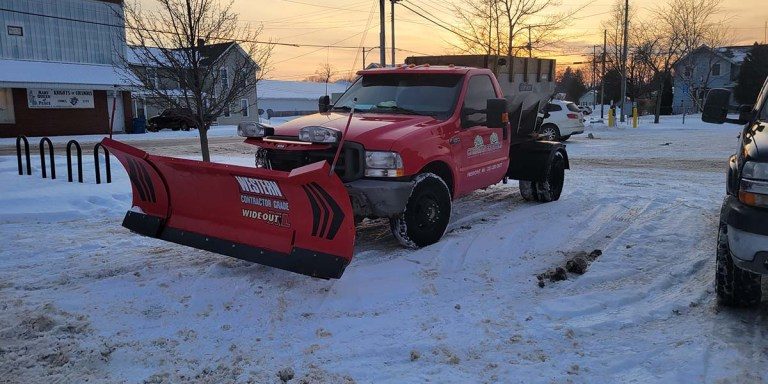
What Does Snow Removal Cost in West Michigan?
Residential snow removal in West Michigan usually costs about $50 to $100 per visit, while seasonal driveway contracts often fall between $350 and $650. Commercial snow removal may start around $50 to $200 per push and climb from there based on the property, salting, snow trigger, and how quickly the site needs to be cleared.

How Much Does Fall Cleanup Cost in West Michigan?
Most fall cleanups in West Michigan cost between $200 and $800 for a single visit, with large or heavily wooded properties costing $1,000 or more. Fall clean-ups also often require more visits per season (two to three) if they have heavy leaf coverage, which increases the total cleanup price.

How Much Does a Yard Cleanup Cost in West Michigan?
Most one-time yard cleanups in West Michigan land between $250 and $800. Properties that have gone a few seasons without attention, or that sit under heavy tree cover, can reach $1,500 or more. Treat these as budgeting ranges. The only way to get a firm number is to have someone walk the property.
Recent Articles
What Does Snow Removal Cost in West Michigan?
Residential snow removal in West Michigan usually costs about $50 to $100 per visit, while seasonal driveway contracts often fall between $350 and $650. Commercial snow removal may start around $50 to $200 per push and climb from there based on the property, salting, snow trigger, and how quickly the site needs to be cleared.
How Much Does Fall Cleanup Cost in West Michigan?
Most fall cleanups in West Michigan cost between $200 and $800 for a single visit, with large or heavily wooded properties costing $1,000 or more. Fall clean-ups also often require more visits per season (two to three) if they have heavy leaf coverage, which increases the total cleanup price.
How Much Does a Yard Cleanup Cost in West Michigan?
Most one-time yard cleanups in West Michigan land between $250 and $800. Properties that have gone a few seasons without attention, or that sit under heavy tree cover, can reach $1,500 or more. Treat these as budgeting ranges. The only way to get a firm number is to have someone walk the property.