
Hydroseeding is one of the quickest, most affordable ways to turn bare dirt into a real lawn. If you’re starting from scratch, like after building a new home in West Michigan, it’s a great option for getting thick, green grass without paying the high price of sod.
But what is hydroseeding, exactly? How does it work, what does it cost, and is it actually the right choice for your yard? Let’s walk through it together.
How Hydroseeding Works
Hydroseeding is the process of spraying a slurry of grass seed, wood fiber mulch, fertilizer, tackifier, biotic soil amendment and water directly onto soil. The mix is applied using a high-pressure hose, creating a protective, nutrient-rich layer that helps grass grow quickly and evenly.
Once applied, the mulch holds moisture, the fertilizer boosts root growth, and the tackifier keeps everything in place—even on sloped or erosion-prone areas.
Sprouting typically begins within 10-14 days.
Mowing usually starts around 4-6 weeks.
What’s in a Hydroseed Mix?
- Grass Seed: Chosen based on your yard’s sun, shade, and soil conditions
- Wood Fiber Mulch: Holds moisture and insulates the seed
- Fertilizer: Feeds roots and encourages fast growth
- Tackifier: A sticky agent that prevents runoff and soil erosion
- Biotic Soil Amendment: added to improve its health and ability to support vegetation
- Water: Gives moisture to the seed and mulch to help with germination
Christian Brothers Outdoor Services uses a custom blend for each project across Kent, Muskegon, Ottawa, and Newaygo Counties to give every yard the best start possible.
How Much Does Hydroseeding Cost?
Hydroseeding costs between $0.15–$0.21 per square foot.
That means:
- A 5,000 sq ft lawn might cost $400–$1,000
- A 10,000 sq ft lawn could run $800–$2,000
Hydroseeding is most cost-effective for lawns larger than 1,000 sq ft.
Factors that affect price:
- Slope and erosion risk
- Yard access for equipment
- Custom seed blend selection
- Fertilizer
- Biotic Soil Amendment
- Pre-emergent weed controls
Request a quote and we’ll walk your property to give you an accurate estimate.
Hydroseeding vs. Sod vs. Traditional Seeding
| Method | Cost | Growth Speed | Erosion Control | Customization | Maintenance |
| Hydroseeding | $$ | 3–6 weeks | Excellent | High | Moderate |
| Sod | $$$ | Instant | Good | Low | Low |
| Traditional Seeding | $ | 6–8+ weeks | Poor | Medium | High |
Hydroseeding gives you a lush lawn without the price tag of sod—and better erosion control than traditional seeding.
How to Prepare for Hydroseeding
Before spraying, your soil needs to be ready for seed. Here’s what to do:
✅ Remove rocks, roots, and debris
✅ Grade the soil for proper drainage
✅ Loosen compacted areas with light tilling or raking
✅ Apply topsoil if the ground is uneven or poor quality
Need help with prep? Ask about full-service installs from our team.
Common Mistakes to Avoid After Hydroseeding
Walking on it too early
This can crush or displace the seed and slow growth. Wait until grass is well established.
Mowing too soon or too short
Cutting too early can shock new roots. Wait until the grass is 4–6 inches tall, and use the highest mower setting. Do not mow below 4”.
Underwatering or letting soil dry out
Consistency is key. Watering 2–3 times daily for the first two weeks is critical for germination.
Applying weed killer too soon
Most herbicides can damage seedlings. Avoid until at least the third mow.
Want to avoid these mistakes? Our lawncare maintenance and fertilization programs can help keep your new lawn on track.
Is Hydroseeding Right for You?
Hydroseeding works well if:
✔ You’re building a new home and need a full lawn
✔ Your yard has slopes or erosion-prone spots
✔ You want a better result than basic seed without paying for sod
✔ You want custom grass based on your property—not a one-size-fits-all roll of sod
Christian Brothers Outdoor Services has helped homeowners and builders across West Michigan create strong, beautiful lawns from the ground up.
Get a Hydroseeding Quote in West Michigan
If you’re ready to grow a better lawn—without breaking the bank—get in touch with our team. We’ll walk your property, explain your options, and get you on the schedule.
We serve Kent, Muskegon, Ottawa, and Newaygo Counties and can hydroseed most properties between April and October.
Frequently Asked Questions About Hydroseeding
How long does it take for hydroseed to grow?
Grass usually begins sprouting in 10–14days. A full lawn takes about 4–6 weeks to fill in.
How much does hydroseeding cost?
Hydroseeding typically costs $.15–.21 per square foot. Most jobs fall between $500–$2,000.
When is the best time to hydroseed?
In Michigan, spring and early fall are ideal. Cooler nighttime temps and light rain help grass establish quickly.
Is hydroseeding better than sod?
Hydroseeding costs less and develops stronger roots over time. Sod gives immediate results but is more expensive.
Can I walk on hydroseed?
Avoid walking on the area until the grass is at least 3 inches tall and has been mowed once.
Recent Articles
5 Low-Maintenance Summer Landscaping Ideas for West Michigan Homeowners
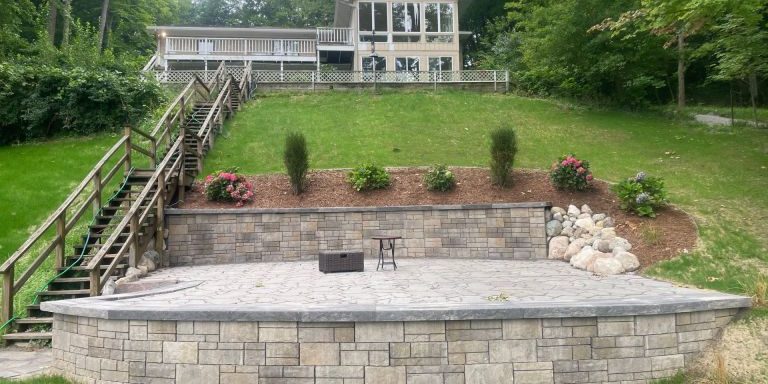
The secret to a beautiful West Michigan landscape that doesn’t consume your weekends is designing for leisure rather than labor. By swapping difficult turf for functional hardscapes like paver patios and boulder fire pits, and utilizing native perennials that naturally thrive in our unpredictable climate, you drastically reduce mowing, watering, and pruning. Strategic additions like dry creek beds manage heavy downpours, while automated lighting and a thick layer of hardwood mulch keep the yard looking pristine with zero ongoing effort. Ultimately, delegating the remaining upkeep to a comprehensive local team like Christian Brothers Outdoor Services ensures you can spend your short summer actually enjoying your yard, not just working on it.

The Best Native Plants for West Michigan Landscaping
West Michigan’s climate and soils favor plants that evolved here. Native trees like bur oak and flowering dogwood, shrubs like ninebark and winterberry, perennials like black-eyed susan and purple coneflower, and grasses like little bluestem all thrive across Kent, Ottawa, Muskegon, and Newaygo counties with far less water, fertilizer, and upkeep than non-native ornamentals. The tradeoff: most need consistent watering through their first season to establish. After that, they largely take care of themselves.

How to Rejuvenate Your Lawn This Spring
Learn how to rejuvenate your lawn after a West Michigan winter with step-by-step tips on aeration, overseeding, fertilizing, and more.
Recent Articles
5 Low-Maintenance Summer Landscaping Ideas for West Michigan Homeowners
The secret to a beautiful West Michigan landscape that doesn’t consume your weekends is designing for leisure rather than labor. By swapping difficult turf for functional hardscapes like paver patios and boulder fire pits, and utilizing native perennials that naturally thrive in our unpredictable climate, you drastically reduce mowing, watering, and pruning. Strategic additions like dry creek beds manage heavy downpours, while automated lighting and a thick layer of hardwood mulch keep the yard looking pristine with zero ongoing effort. Ultimately, delegating the remaining upkeep to a comprehensive local team like Christian Brothers Outdoor Services ensures you can spend your short summer actually enjoying your yard, not just working on it.
The Best Native Plants for West Michigan Landscaping
West Michigan’s climate and soils favor plants that evolved here. Native trees like bur oak and flowering dogwood, shrubs like ninebark and winterberry, perennials like black-eyed susan and purple coneflower, and grasses like little bluestem all thrive across Kent, Ottawa, Muskegon, and Newaygo counties with far less water, fertilizer, and upkeep than non-native ornamentals. The tradeoff: most need consistent watering through their first season to establish. After that, they largely take care of themselves.
How to Rejuvenate Your Lawn This Spring
Learn how to rejuvenate your lawn after a West Michigan winter with step-by-step tips on aeration, overseeding, fertilizing, and more.