
Hedge trimming is as much about timing as it is about technique. Cut at the wrong time, and you can stress the plant, reduce flowering, or slow healthy growth. Poor timing can lead to bare spots, delayed recovery, or lost blooms for the year.
Why Timing Matters for Hedge Trimming
Hedges respond quickly to when cuts are made. Proper timing helps:
- Promote thicker, fuller growth
- Maintain clean lines and consistent height
- Reduce plant stress
- Avoid long-term thinning or dieback
Best Time of Year to Trim Most Hedges
This will depend on your local climate. For many common hedges in Michigan, the primary trimming window is late spring through early summer.
This period works well because:
- New growth has emerged, making shaping easier
- Plants recover faster from cuts
- Growth can be guided before it hardens later in the season
A light follow-up trim in mid to late summer is often enough to keep hedges tidy.
When to Trim Hedges by Type
Deciduous Hedges
Deciduous hedges that do not flower are often trimmed:
- Once in late spring or early summer
- Again lightly in mid-summer if growth is aggressive
These hedges respond well to routine shaping during active growth.
Evergreen Hedges
- In late spring, after new growth appears
- With light touch-ups through summer
Heavy cuts should be avoided late in the season to prevent winter damage.
Spring-Flowering Hedges
Hedges that bloom in spring, like lilac and forsythia, should be trimmed after flowering is finished. Trimming earlier removes buds and limits blooms.
Summer-Flowering Hedges
Hedges that flower later in the season are typically trimmed in late spring or early summer, since blooms form on new growth.
When to Avoid Trimming Hedges
Late Fall and Early Winter
Heavy trimming during this period can trigger new growth that will not harden before cold weather arrives.
Early Spring Before Growth Starts
Cutting too early can slow recovery and leave hedges sparse as the season begins.
Extreme Heat
Trimming during prolonged heat can shock plants and cause browning or dieback.
Bird Nesting Season
Before trimming in spring or early summer, check hedges for active nests. If nesting is present, delay trimming until young birds have left.
How Often Should Hedges Be Trimmed?
Most established hedges benefit from trimming one to three times per year. However, keep in mind that fast-growing hedges may need multiple trims, and slower-growing or informal hedges often need one well-timed cut.
Routine maintenance reduces the need for heavy corrective trimming later.
When Professional Hedge Trimming Makes Sense
Professional service can be helpful when:
- Hedges are tall or difficult to reach
- Straight lines and uniform height matter
- Plants need corrective cuts, not just shaping
- Hedge trimming ties into ongoing bed maintenance or seasonal cleanups
In some cases, trimming reveals deeper issues that require selective pruning or plant replacement.
Frequently Asked Questions
What’s the difference between hedge trimming and pruning?
Hedge trimming focuses on maintaining shape and size. Pruning, on the other hand, removes dead, damaged, or crossing branches to support plant health. Older or overgrown hedges often benefit from selective pruning alongside regular trimming.
What month is best to trim hedges?
For most hedges, late May through early July works well. Spring-flowering hedges should be trimmed right after blooms fade.
Can I trim hedges in the fall?
Light shaping early in fall may be fine, but heavy trimming is better saved for spring or early summer.
Is it okay to trim hedges in the summer?
Yes. Light trims during summer help maintain shape as long as plants are not under heat stress.
How much should I cut off at once?
Avoid removing more than one-third of the hedge at a time to reduce stress and encourage healthy regrowth.
Recent Articles

How to Choose Between Stump Grinding vs. Stump Removal
Stump grinding is usually the best choice for lawns, garden beds, and many landscaping projects. It’s generally faster, less expensive, and less disruptive than full removal. If you’re building a foundation, installing a structure, or planting another tree in the same location, you may need to remove more of the stump and its root system.

How Much Does Stump Removal Cost?
Plan on roughly $100 to $400 to grind one stump, with large hardwood stumps sometimes costing $450 or more. Grinding multiple stumps in one visit usually lowers the price per stump. These are budgeting estimates based on published pricing guides, not Christian Brothers’ quoted rates. Your final cost depends on your property and the work you need done.
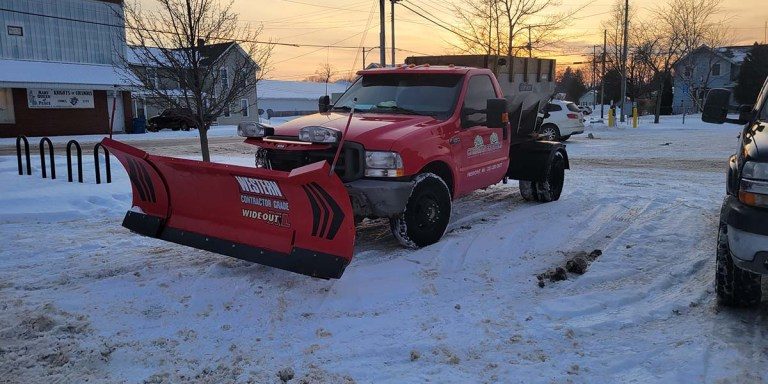
What Does Snow Removal Cost in West Michigan?
Residential snow removal in West Michigan usually costs about $50 to $100 per visit, while seasonal driveway contracts often fall between $350 and $650. Commercial snow removal may start around $50 to $200 per push and climb from there based on the property, salting, snow trigger, and how quickly the site needs to be cleared.
Recent Articles
How to Choose Between Stump Grinding vs. Stump Removal
Stump grinding is usually the best choice for lawns, garden beds, and many landscaping projects. It’s generally faster, less expensive, and less disruptive than full removal. If you’re building a foundation, installing a structure, or planting another tree in the same location, you may need to remove more of the stump and its root system.
How Much Does Stump Removal Cost?
Plan on roughly $100 to $400 to grind one stump, with large hardwood stumps sometimes costing $450 or more. Grinding multiple stumps in one visit usually lowers the price per stump. These are budgeting estimates based on published pricing guides, not Christian Brothers’ quoted rates. Your final cost depends on your property and the work you need done.
What Does Snow Removal Cost in West Michigan?
Residential snow removal in West Michigan usually costs about $50 to $100 per visit, while seasonal driveway contracts often fall between $350 and $650. Commercial snow removal may start around $50 to $200 per push and climb from there based on the property, salting, snow trigger, and how quickly the site needs to be cleared.